 Materials and Care
Ideal Wind Speed by Kite Frame, Not by a Single Number
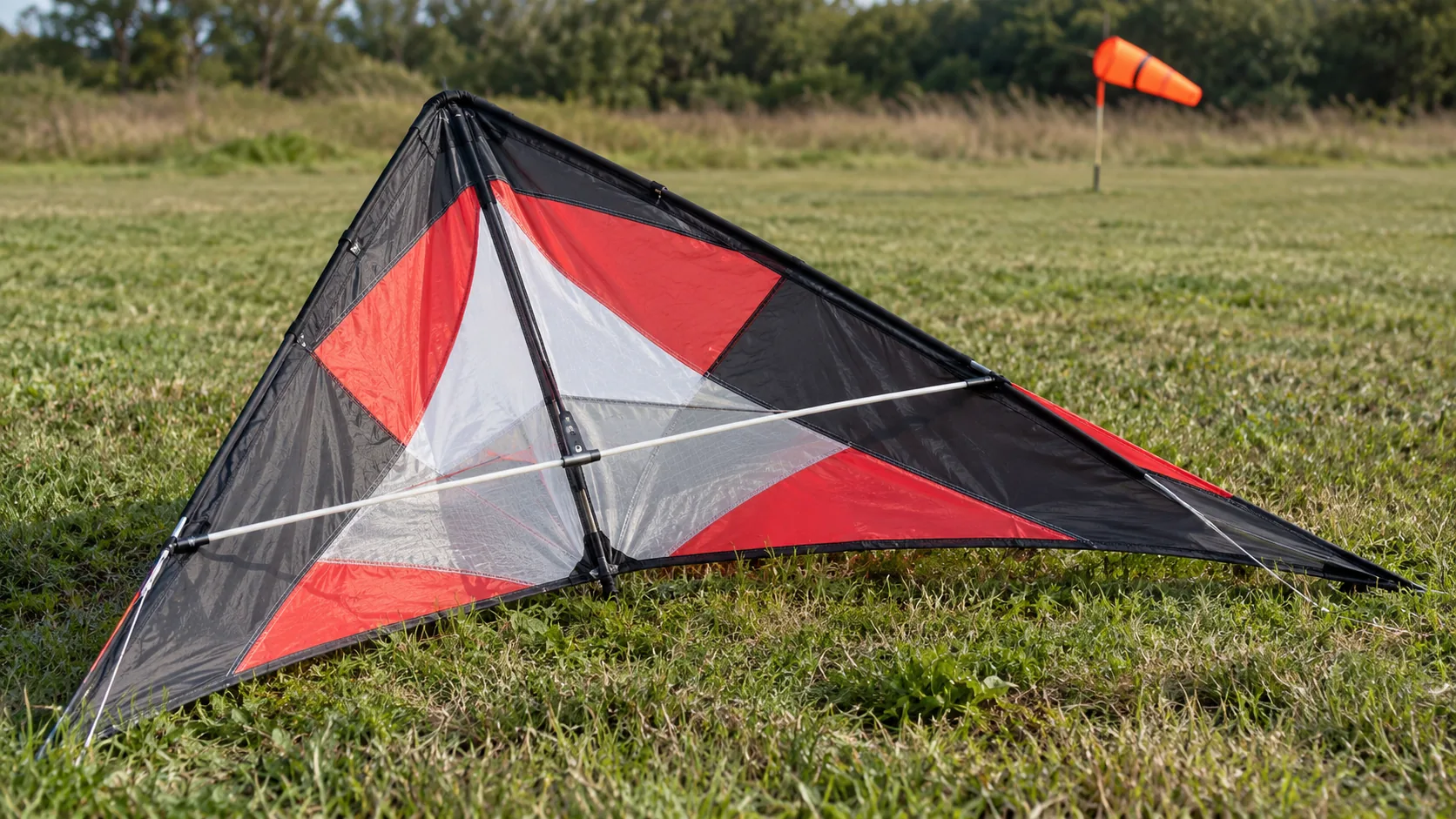
A carbon frame can launch in less wind than fiberglass because it weighs less. The stop is still the kite's published top, including the gust.
Fabrics, frames and lines, and how to keep a kite in good shape outdoors.
 Materials and Care
A carbon frame can launch in less wind than fiberglass because it weighs less. The stop is still the kite's published top, including the gust.
 Materials and Care
Read ripstop nylon fabric specifications for kite sails: denier versus finished weight, PU versus silicone coatings, mass budgets and air-permeability test limits.
 Materials and Care
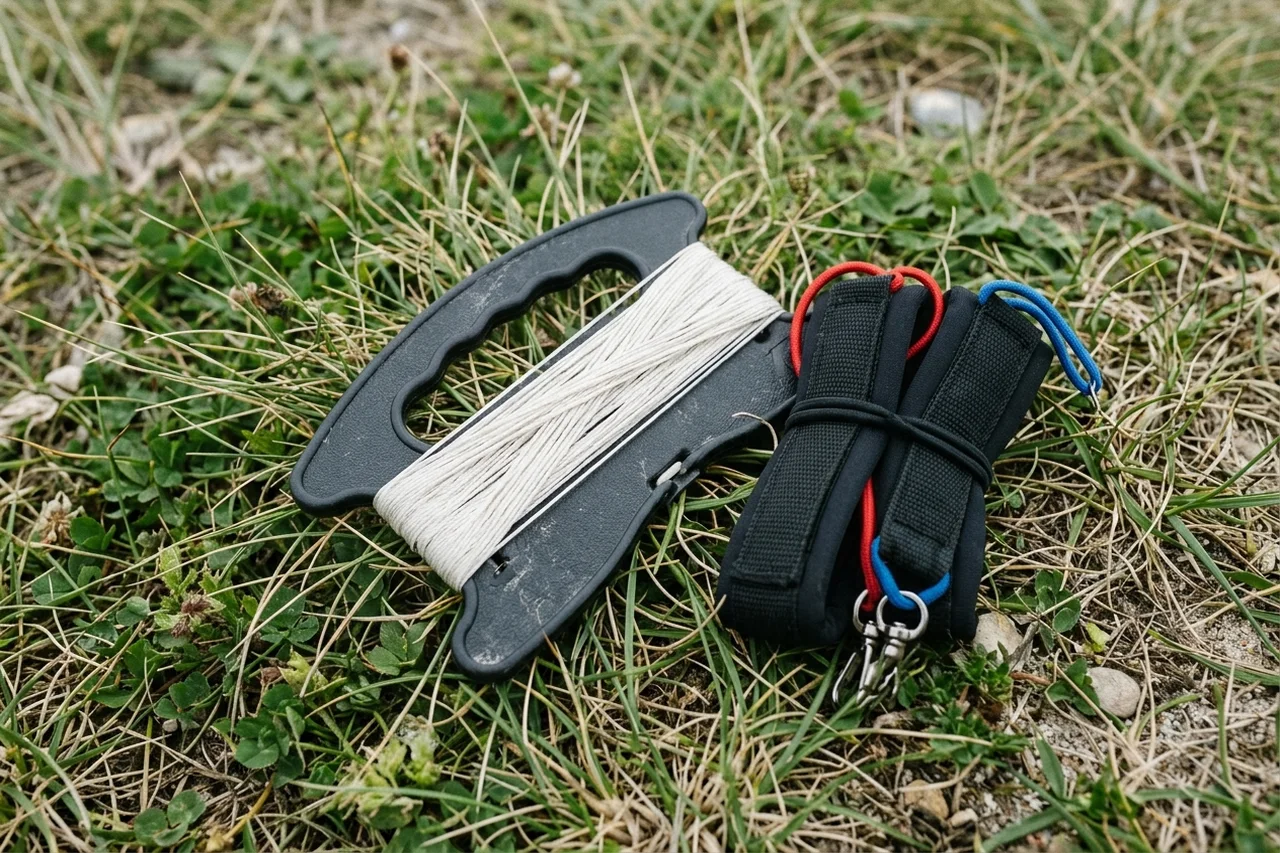
Keep a two-line kite tangle-free by separating flight twists from ground knots, unwinding upwind, and wrapping both lines in a figure-eight.
 Materials and Care
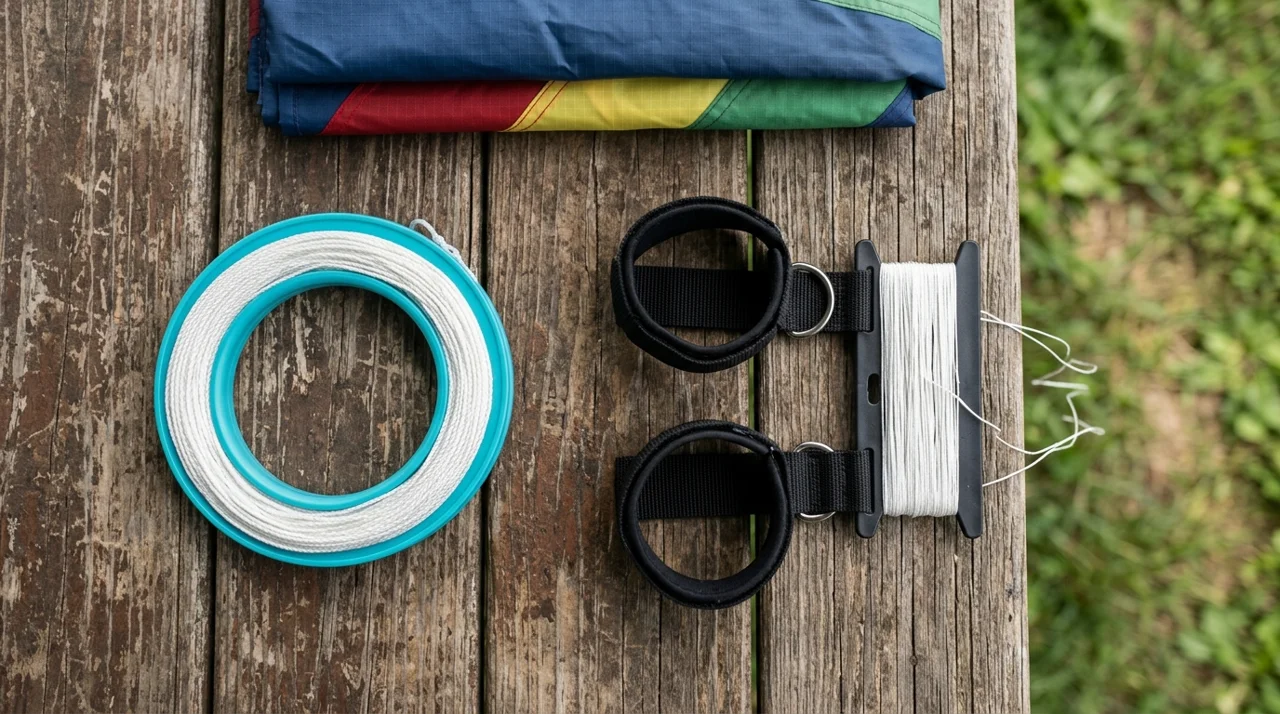
Compare braided polyester and Dyneema kite line by single-line or dual-line use, then record the maker's length, strength and fittings before replacing a set.
 Materials and Care
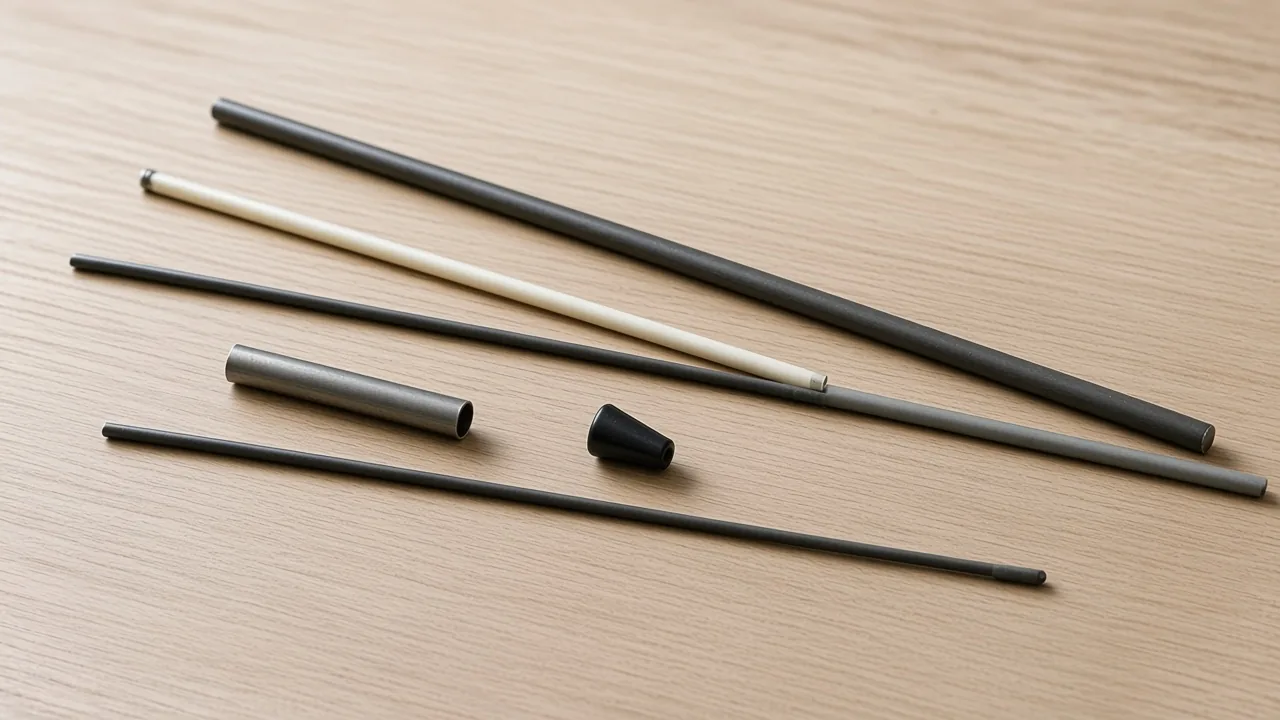
Name the rod, the side, and the connector before you order a replacement kite spar. Measure any size the listing omits.
 Materials and Care
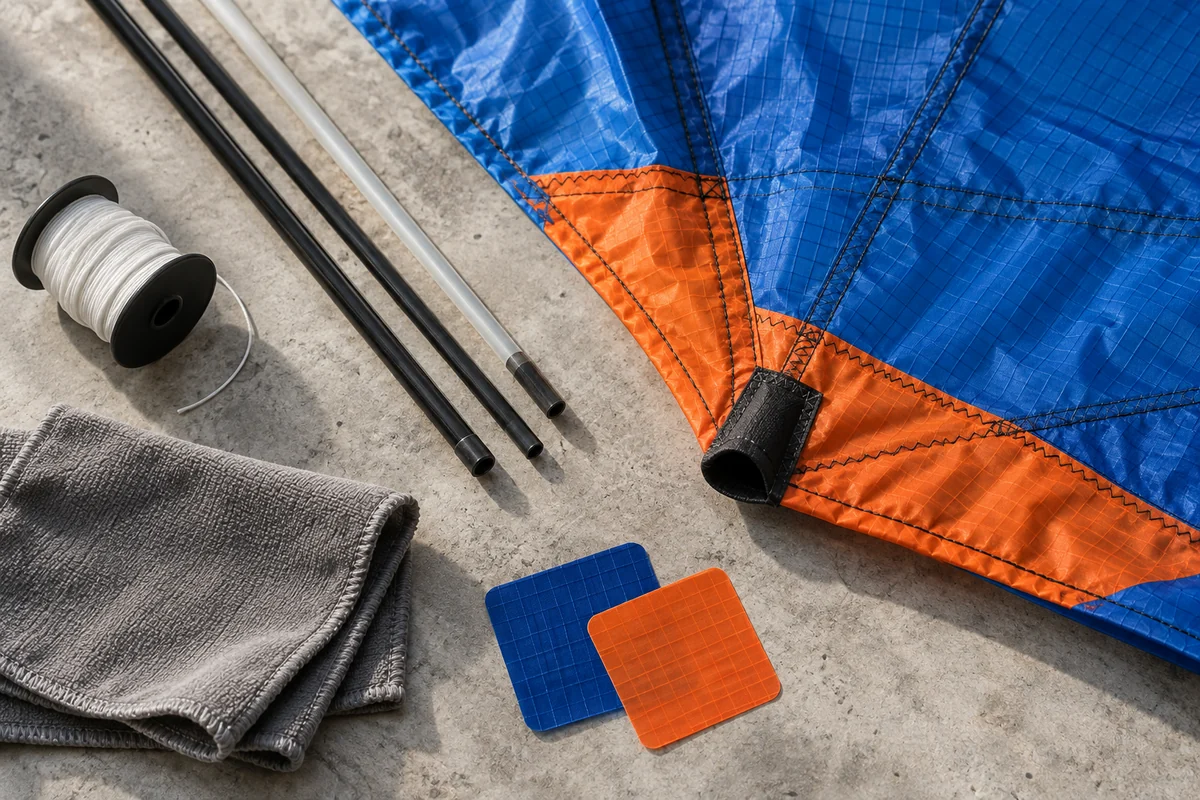
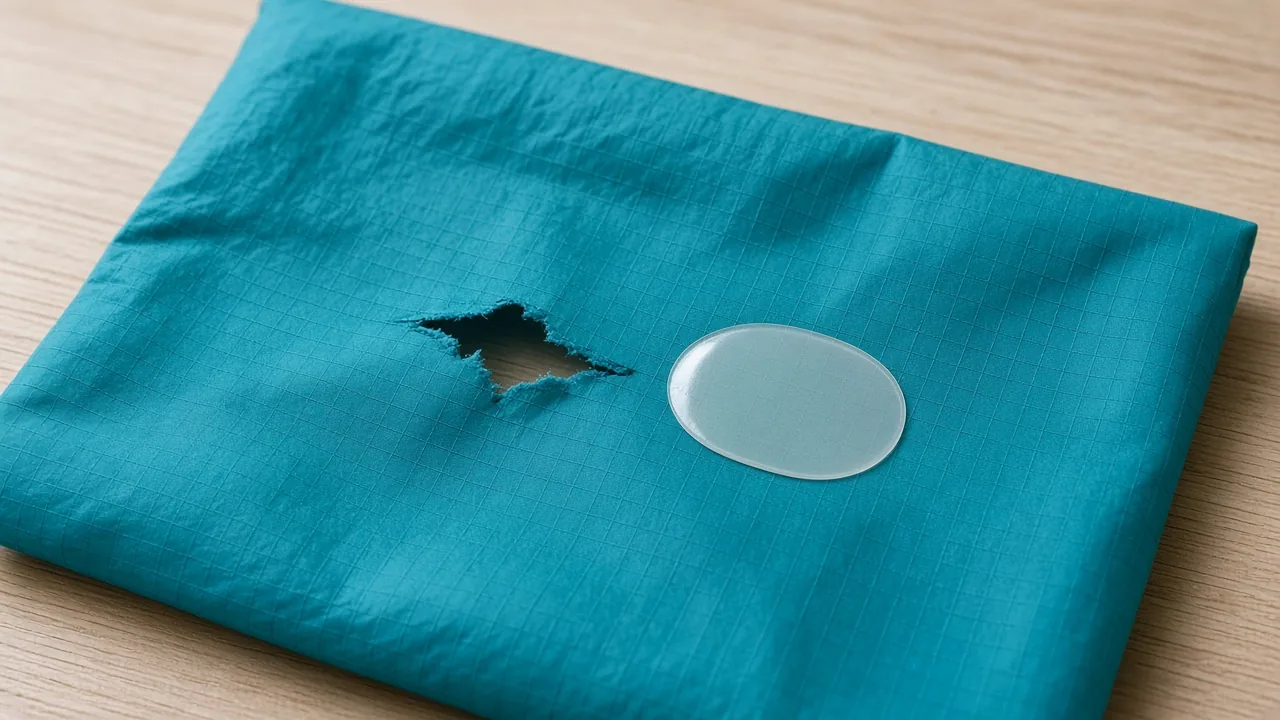
A small hole in open sail cloth can be taped when you know the material. Seams, spar pockets, and unknown cloth go back to the maker.
 Materials and Care
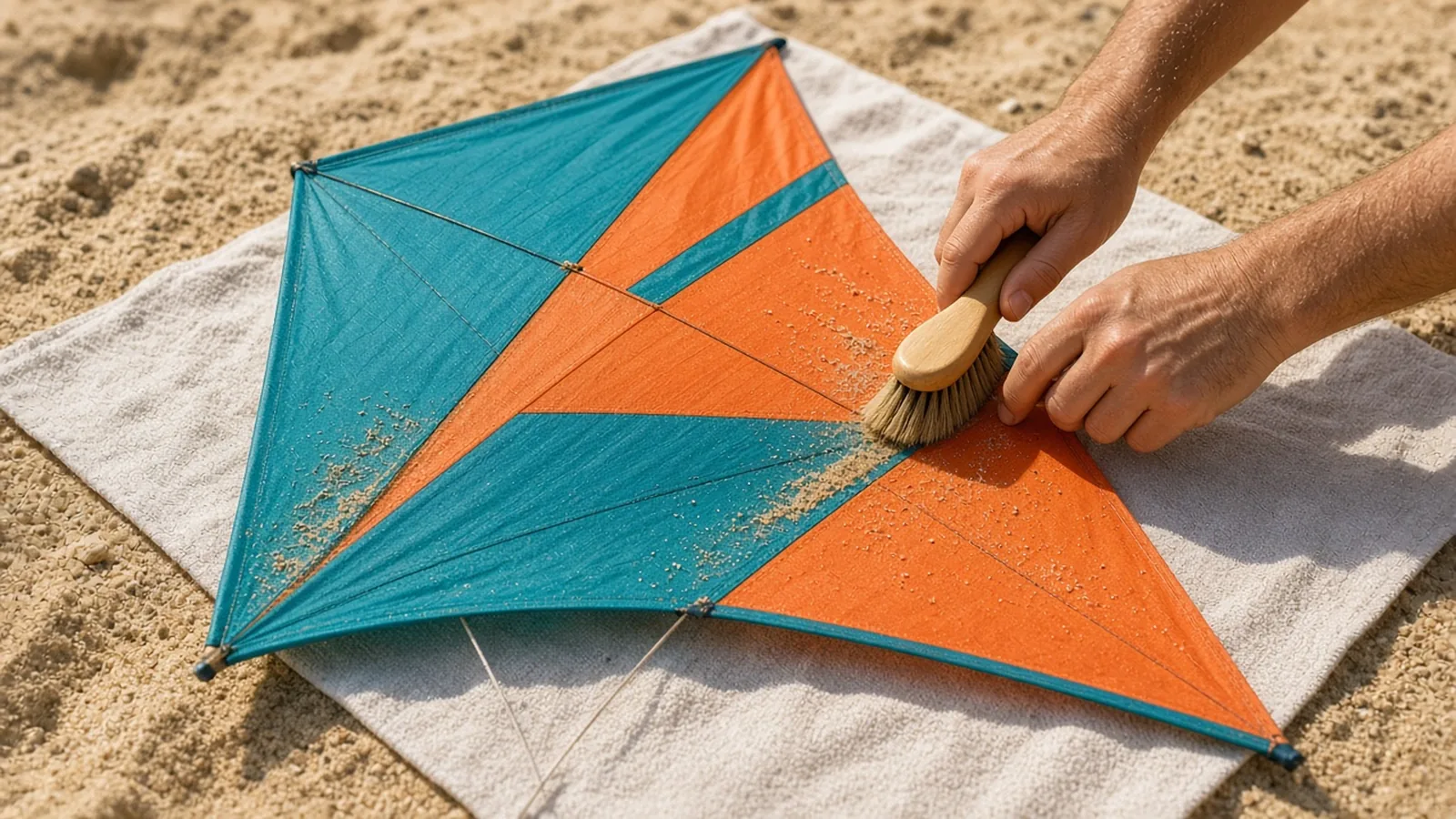
Brush dry sand off the sail and lines, rinse salt with fresh water, then wipe stuck dirt with warm water and a little dish soap. Dry in the shade before you fold.
 Materials and Care
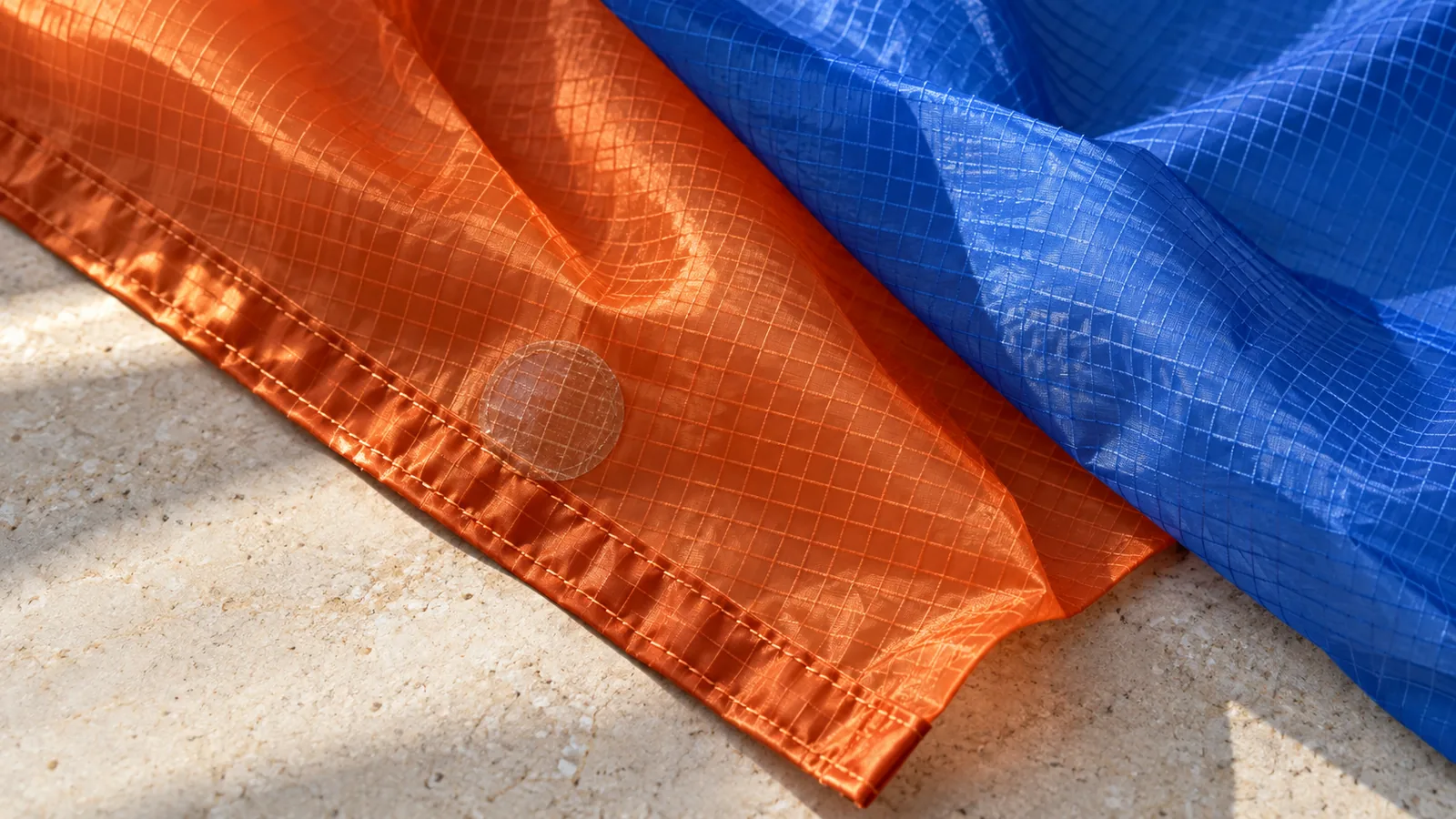
Why kites use ripstop nylon, how it compares with ripstop polyester on stretch, tear and sun, how to decode oz labels and coatings, and which fabric fits which kite.