 Kite Types
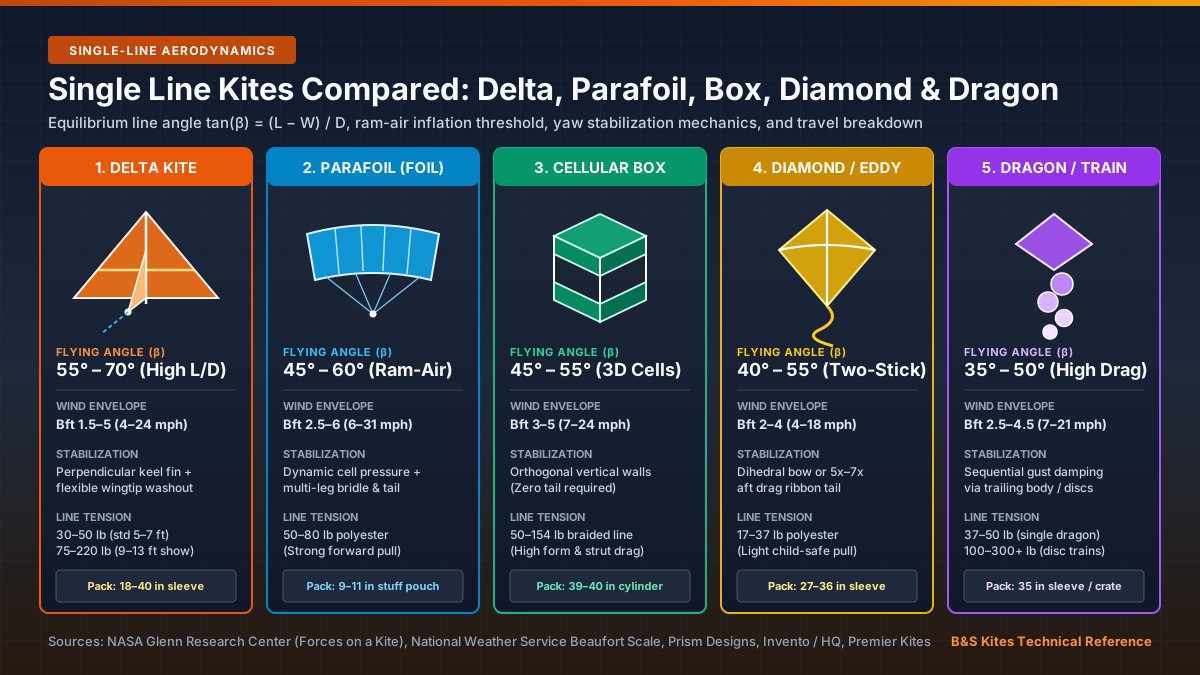
Single Line Kites Compared: Delta, Parafoil, Box, Diamond and Dragon
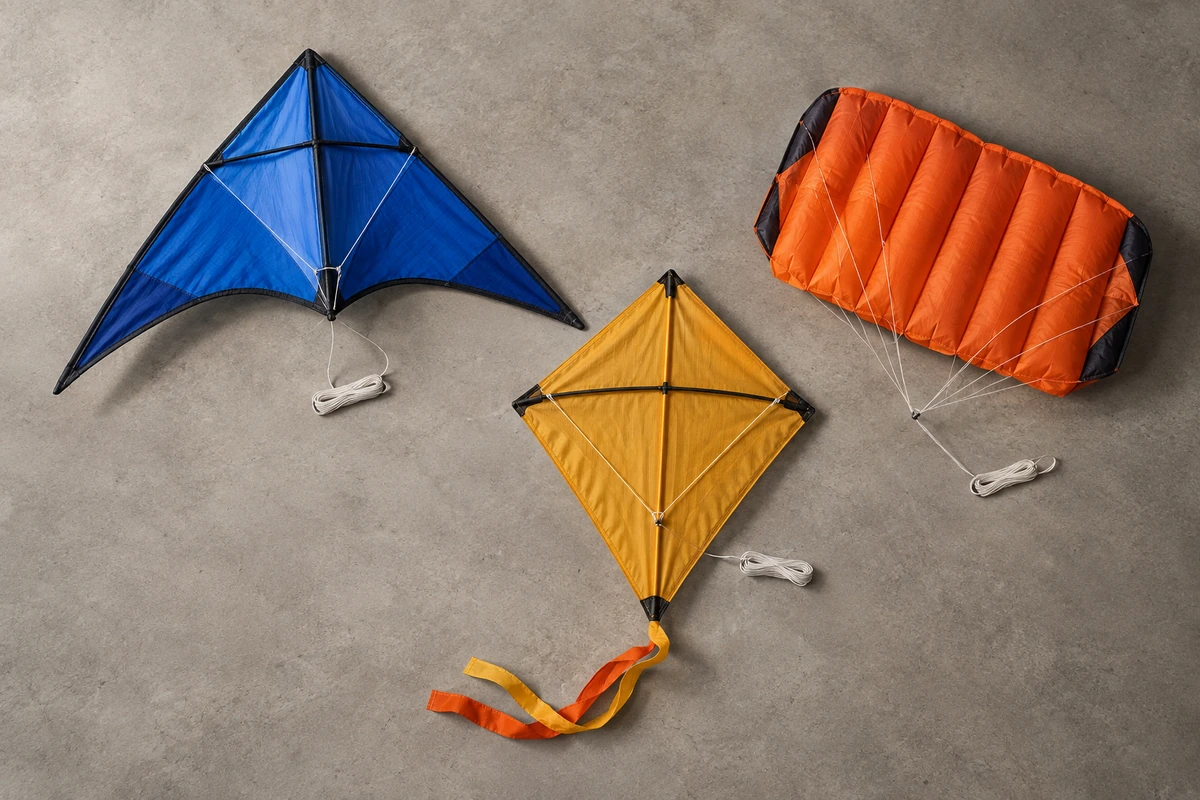
Compare delta, parafoil, cellular box, diamond and dragon single line kites by line angle, turbulent wind stability, line pull, tail drag and packed travel size.
Stunt kites, single-line kites and others: how they fly and who they suit.
 Kite Types
Compare delta, parafoil, cellular box, diamond and dragon single line kites by line angle, turbulent wind stability, line pull, tail drag and packed travel size.
 Kite Types
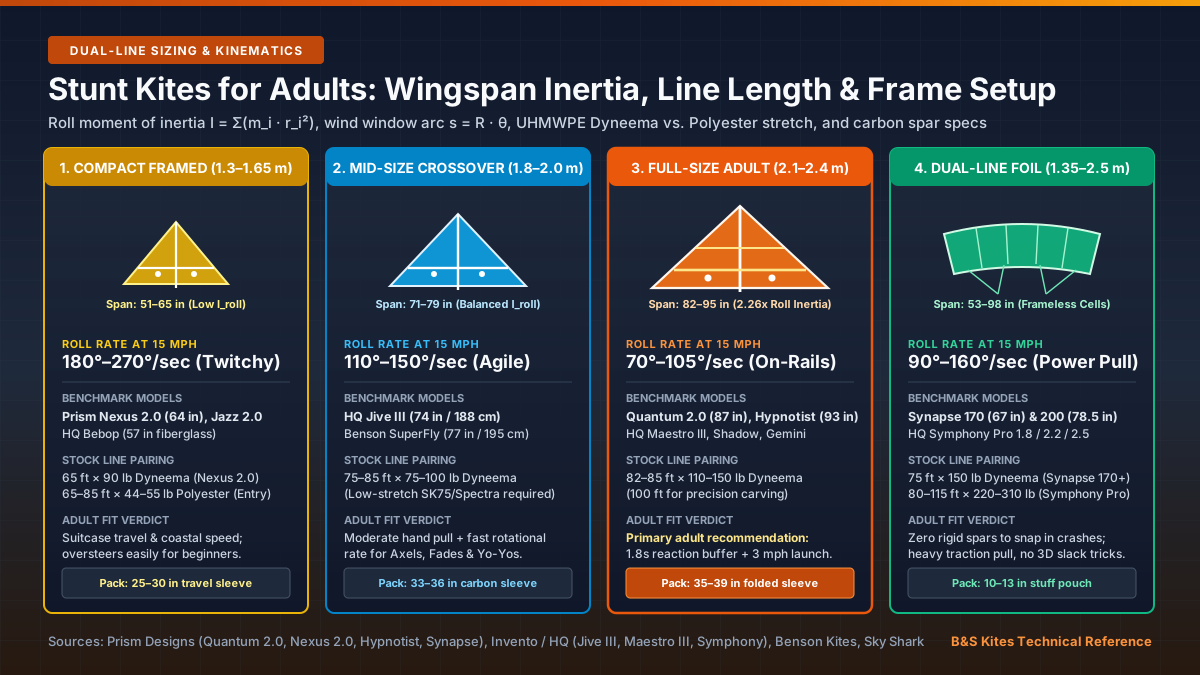
Size stunt kites for adults by wingspan rotational inertia (1.5 m vs. 2.2 m), 65–100 ft Dyneema vs. Dacron flying lines, carbon spar specs, and 3-point turbo bridle setup.
 Kite Types
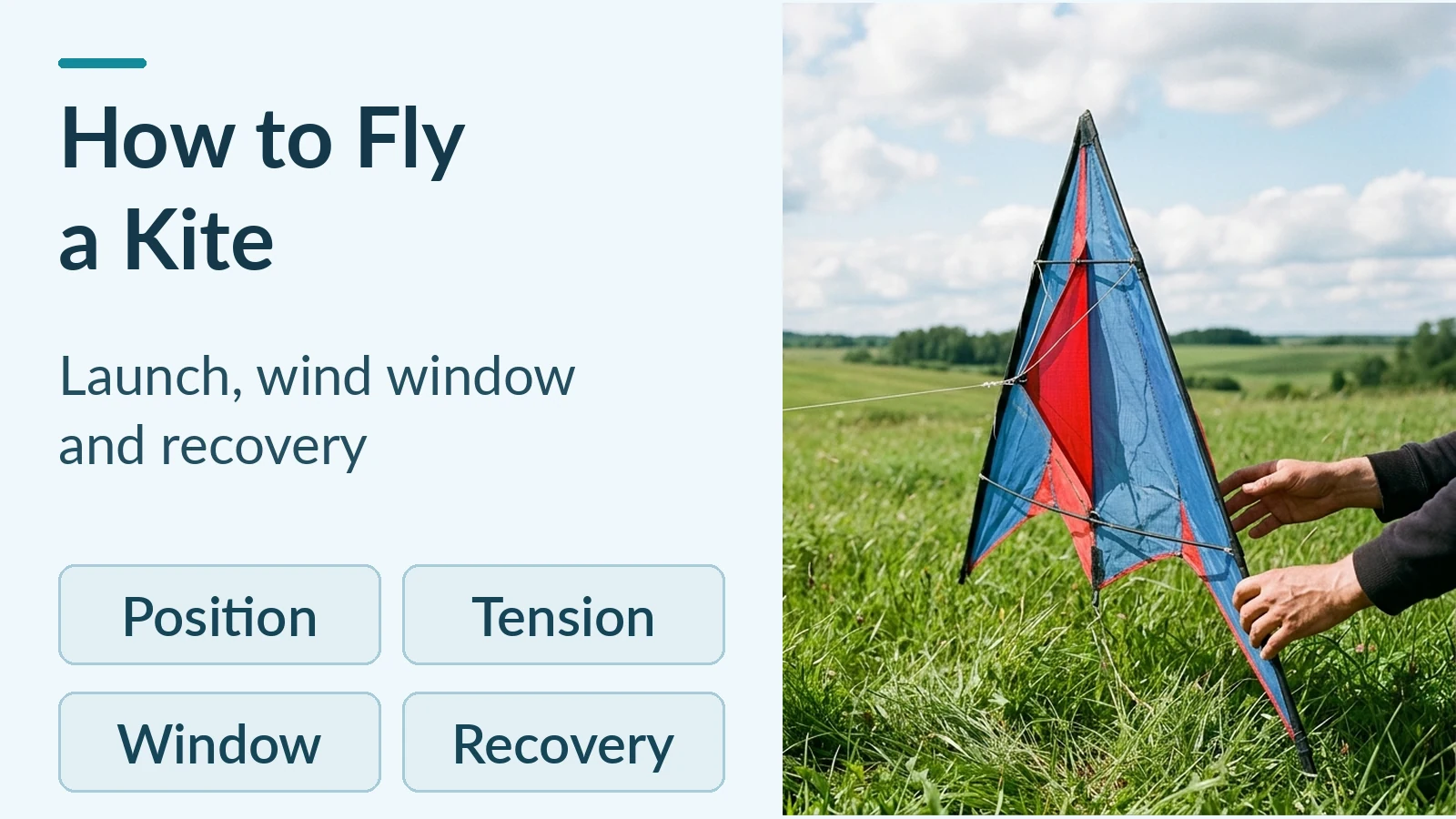
Learn how to fly a kite with a clear launch position, controlled line release and stall recovery, plus the wind-window differences for single-line and dual-line kites.
 Kite Types
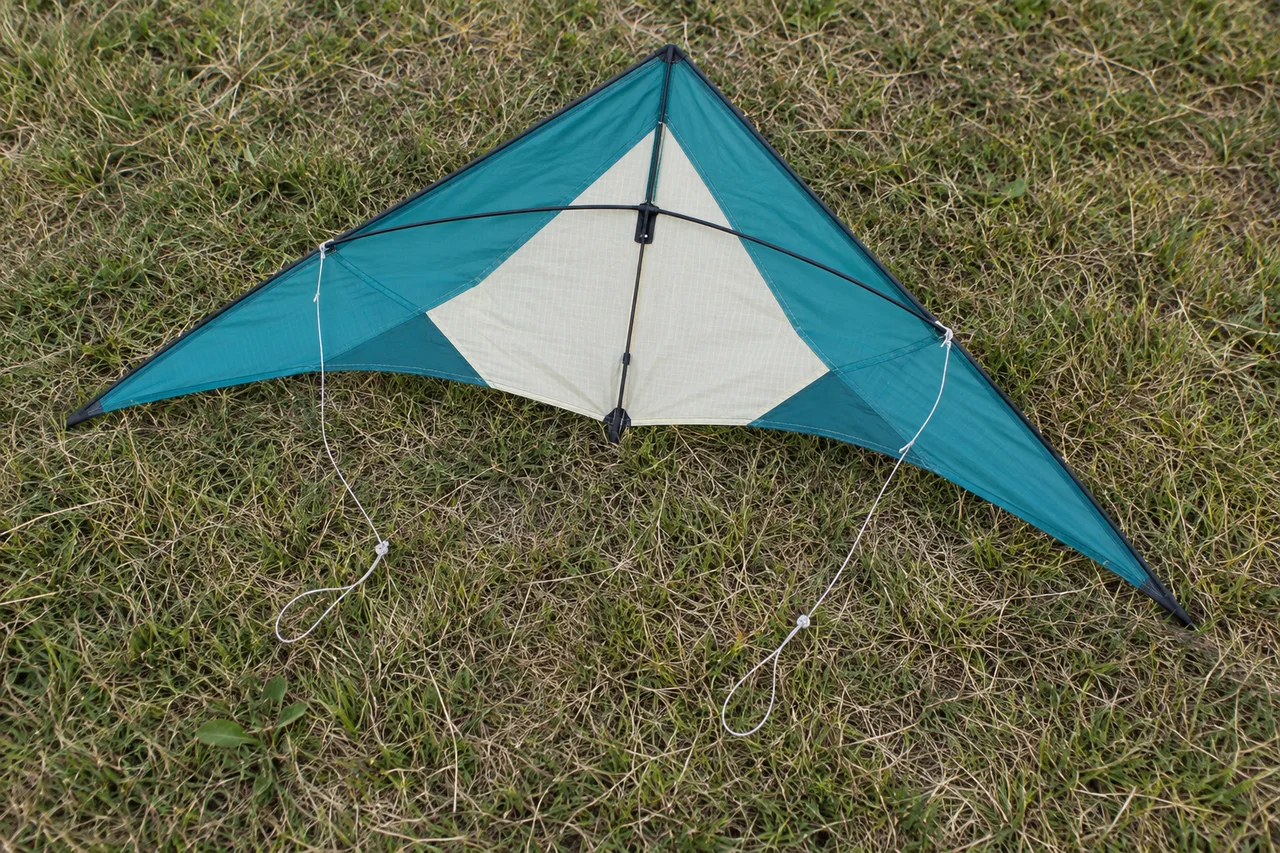
Identify your kite's bridle, check assembly and flying lines, then use model-specific tuning instructions with a baseline record and a reversible adjustment log.
 Kite Types
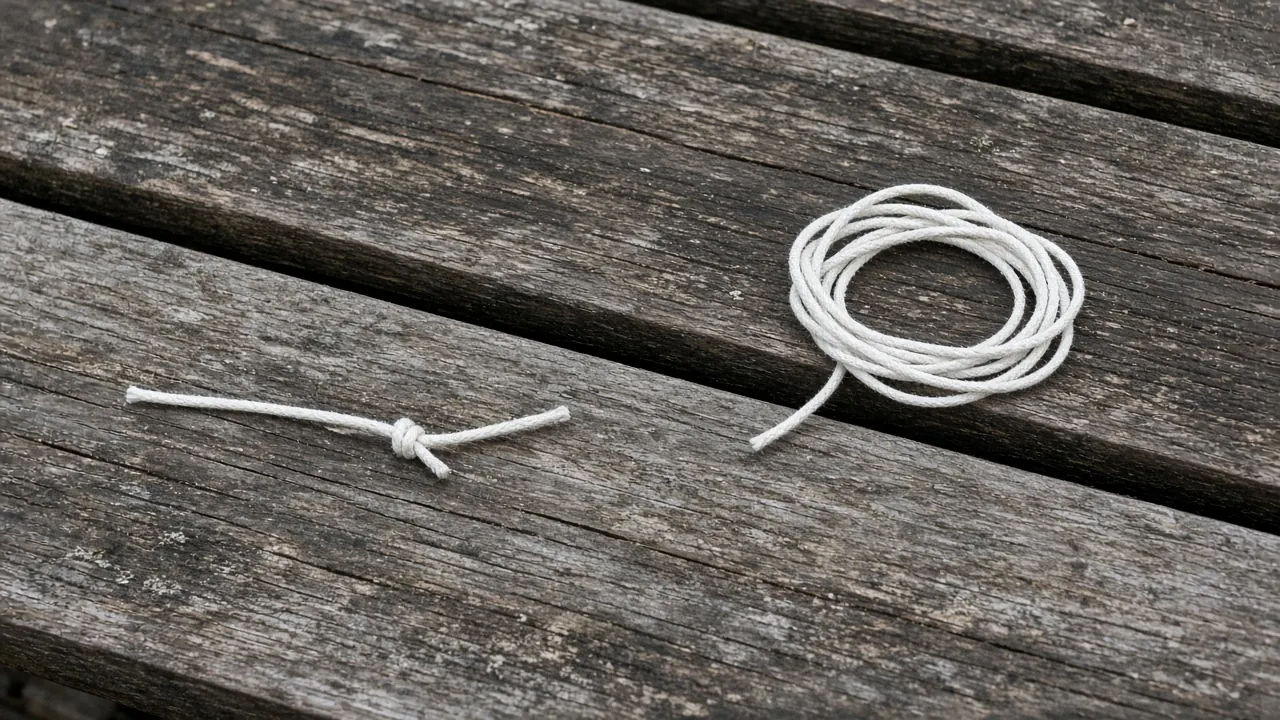
Find the bridle fitting before you tie the flying line. A Lark's Head is for a knotted pigtail with no clip. A clip or a ring stays blank.
 Kite Types
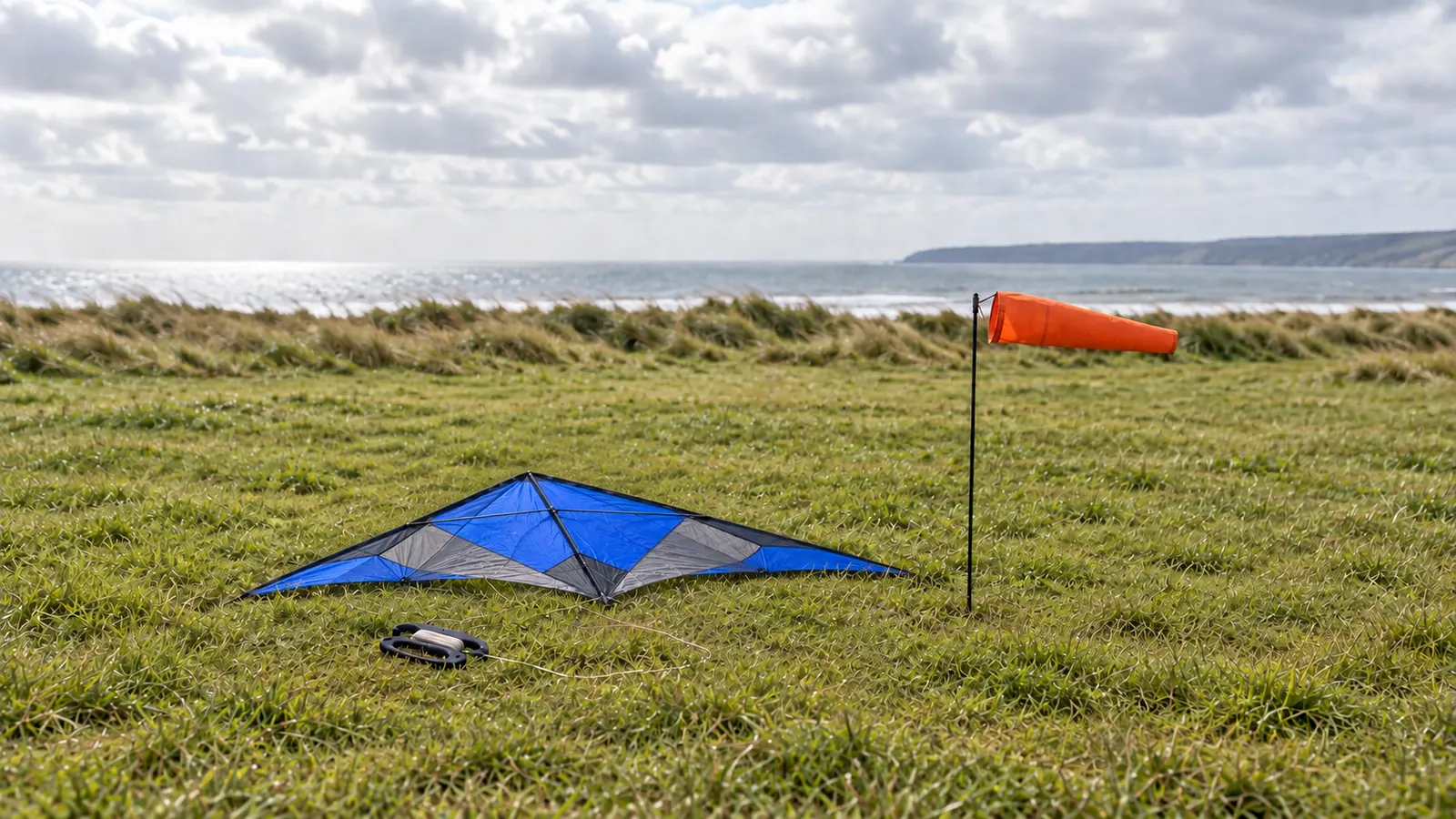
Most published kite wind ratings overlap at Beaufort 3–4, about 8–18 mph. See ranges by kite type, on-site wind signs, unit conversions and when to stop.
 Kite Types
Single line kite types compared, from deltas and diamonds to parafoils, sleds and box kites, with a 4-step check that matches wind, flier, size and materials.
 Kite Types
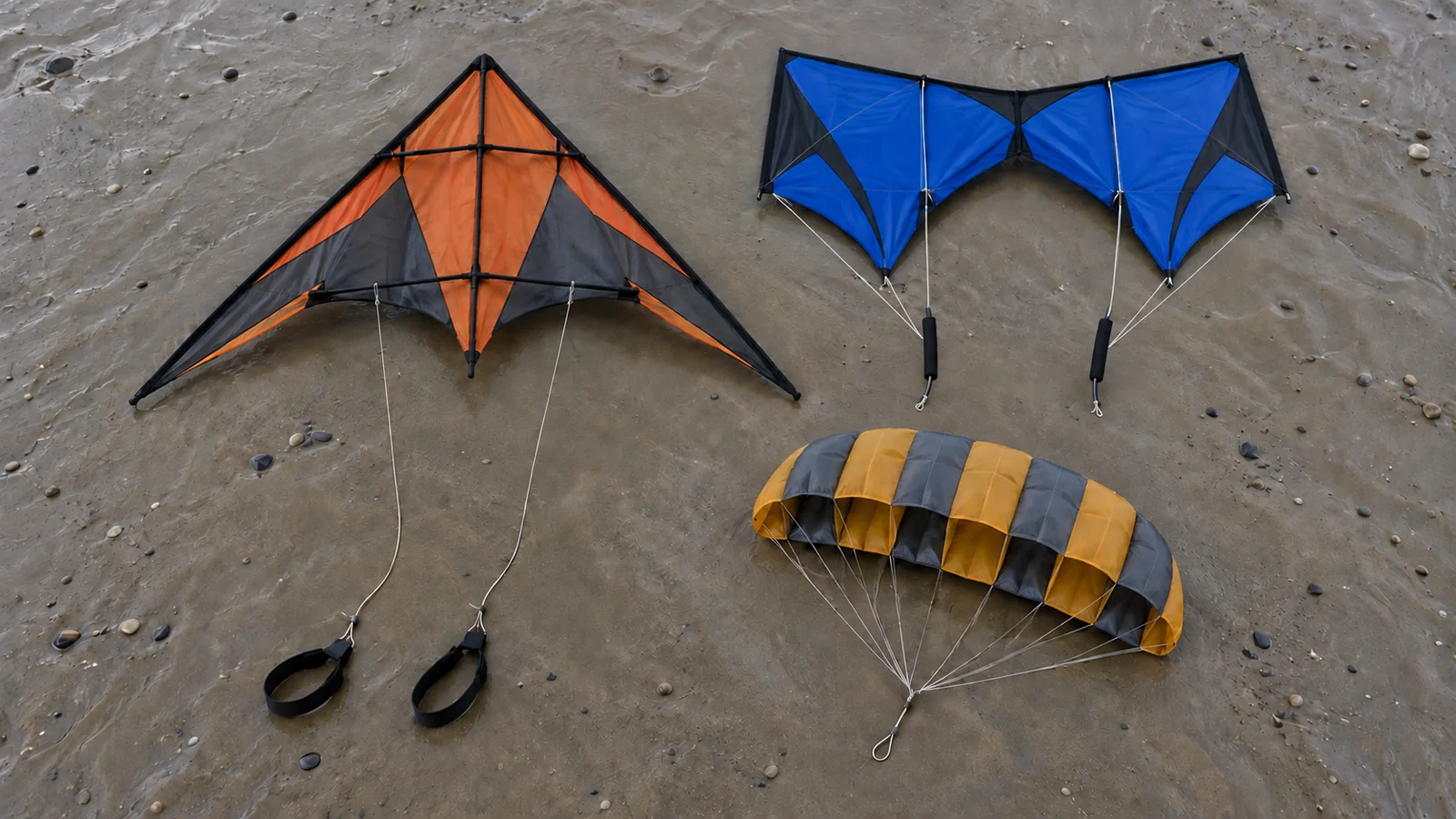
What a stunt kite is, how two-line and four-line control differ from single line and power kites, which parts and materials matter, and which type to start with.