 Kite Types
How High Can You Fly a Kite? US Airspace & Line Limits
Part 101 keeps covered kites at most 500 feet above the surface, at least 500 feet from cloud base, and five miles from airports. Line length is not height.
Comprehensive independent guides covering kite aerodynamics, framing materials, sail fabrics, and outdoor care.
Kite TypesPart 101 keeps covered kites at most 500 feet above the surface, at least 500 feet from cloud base, and five miles from airports. Line length is not height.
 Kite Types
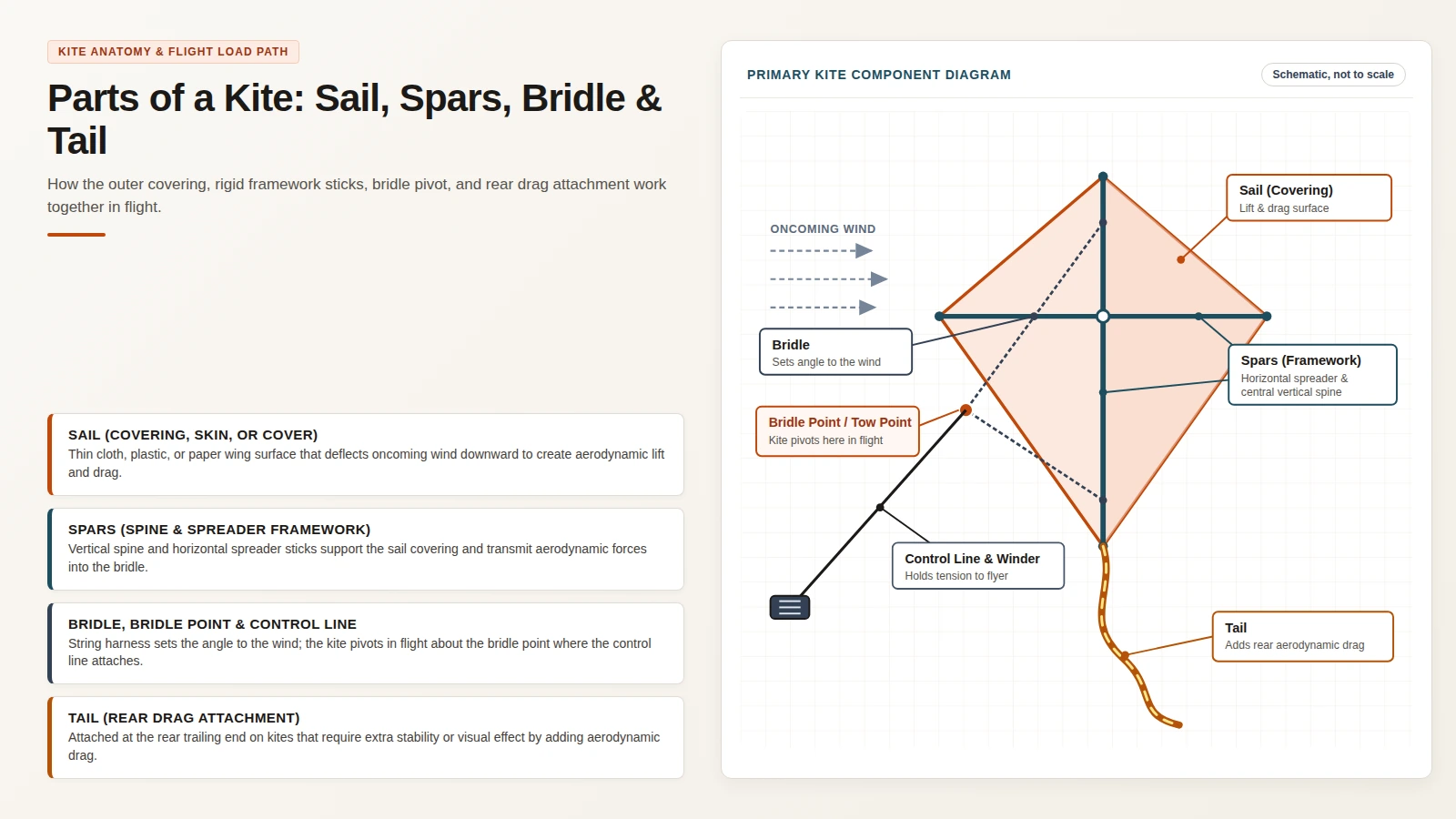
A kite sail generates lift and drag, spars transmit wind load to the bridle pivot, and single-line and dual-line stunt kites use distinct frame parts.
 Materials and Care
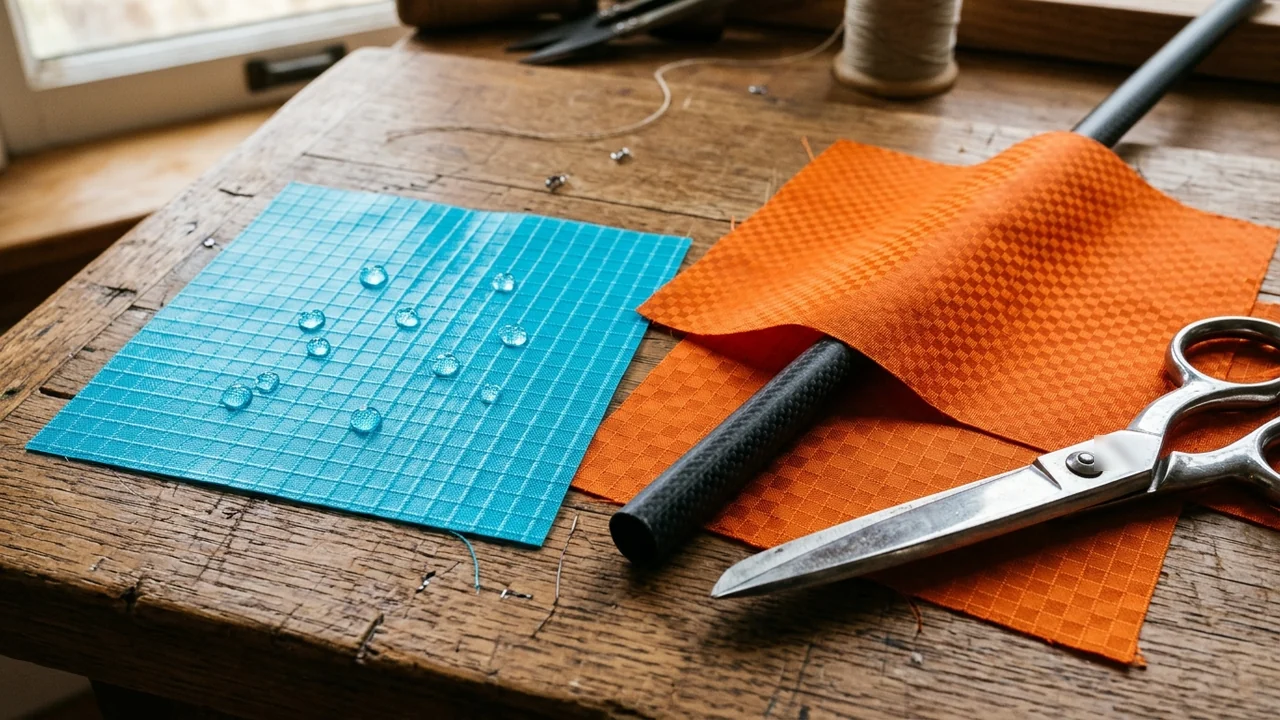
Compare ripstop polyester vs nylon kite sail fabrics across moisture absorption, breaking elongation, tear strength, UV resistance, and repair tape adhesion.
 Kite Types
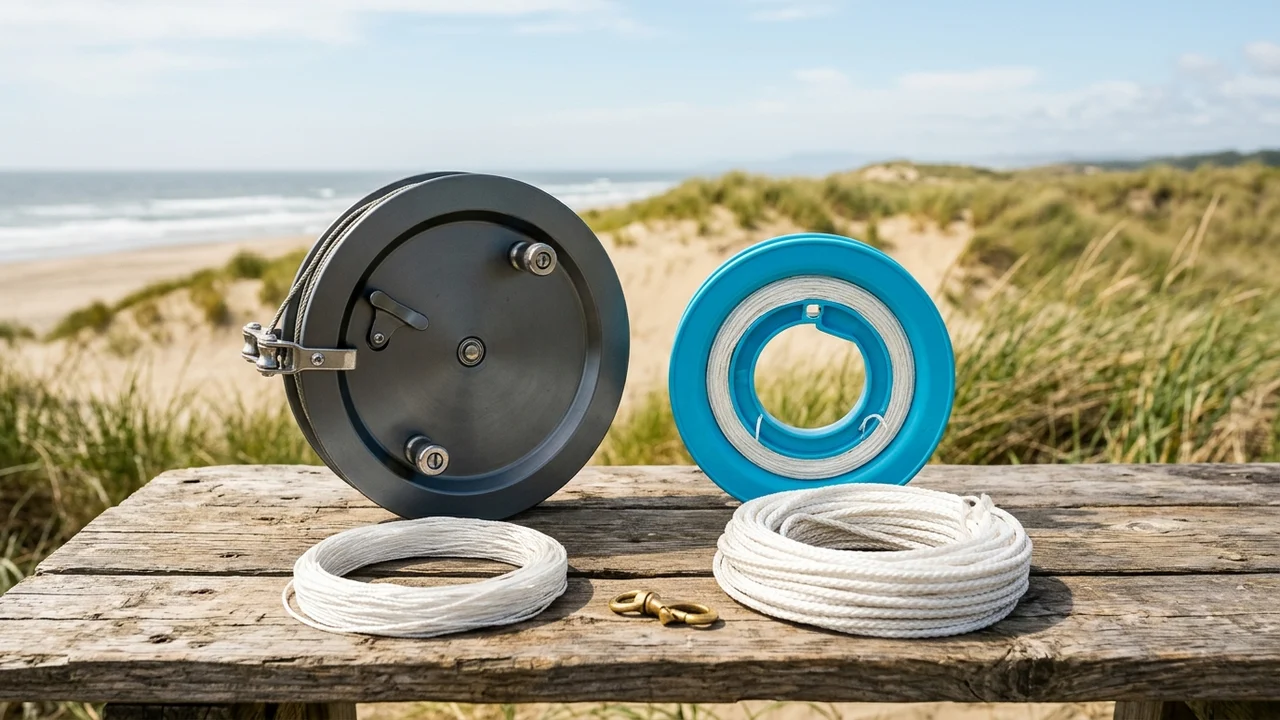
Compare single-line kite winders, hoop spools, and bearing kite reels across drag brakes, anti-reverse locks, Dacron line diameters, and spool capacity.
 Kite Types
Compare kite tail drag versus weight, bridle-point torque balance, DIY tail materials and workshop lengths, and single-line roll, pitch, and yaw stability checks.
 Windsocks and Spinners
Compare windsock mouth-to-length geometry, coated ripstop fabric weight and air permeability, and swivel wear checks alongside wind spinner direction differences.
 Windsocks and Spinners
Check a wind spinner's mount, bearing drag, blade balance and corrosion. Use a practical inspection record and distinguish decorative motion from wind direction.
 Kite Types
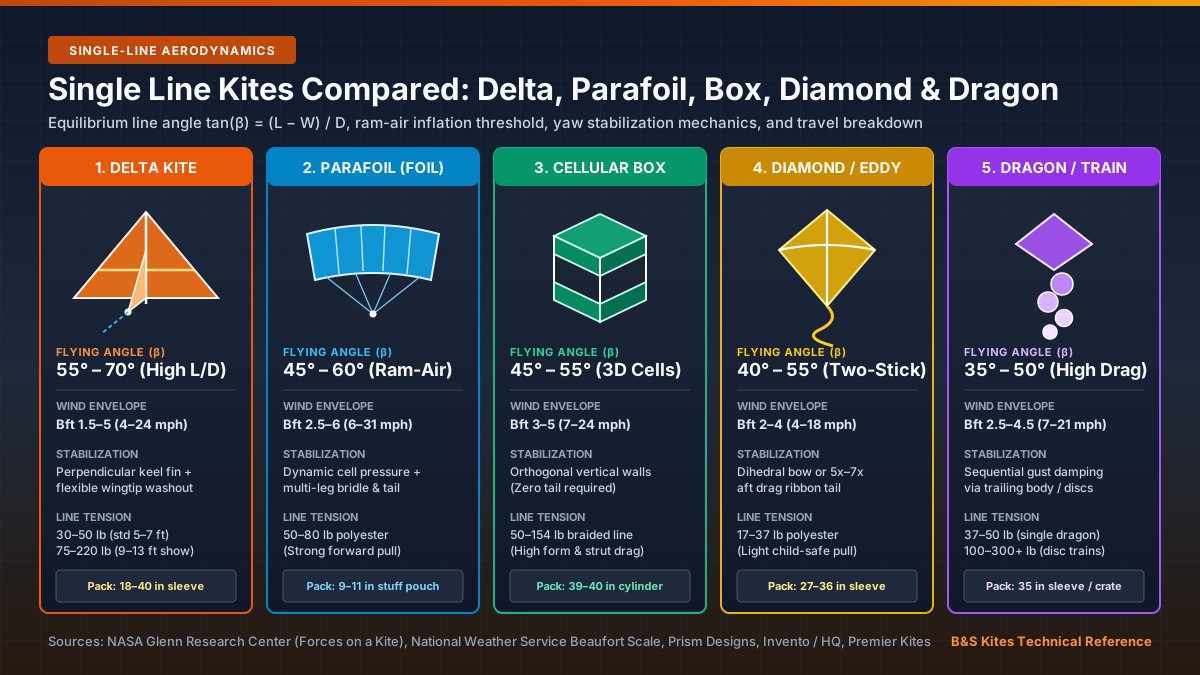
Compare delta, parafoil, cellular box, diamond and dragon single line kites by line angle, turbulent wind stability, line pull, tail drag and packed travel size.
 Kite Types
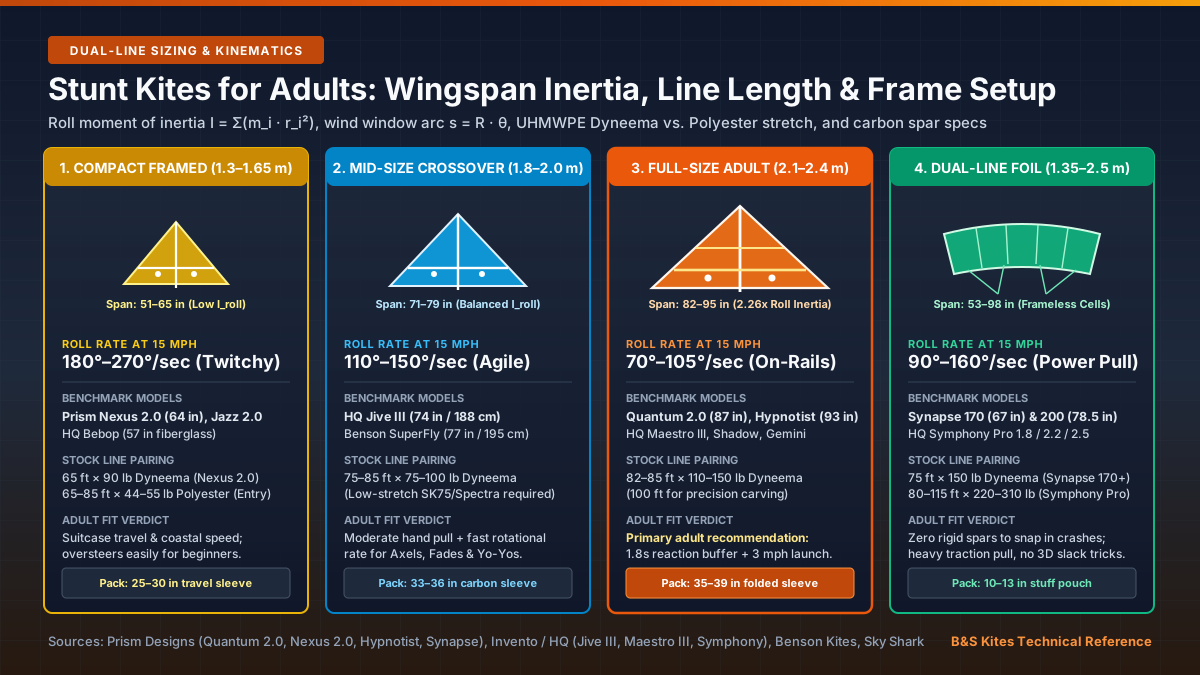
Size stunt kites for adults by wingspan rotational inertia (1.5 m vs. 2.2 m), 65–100 ft Dyneema vs. Dacron flying lines, carbon spar specs, and 3-point turbo bridle setup.
 Materials and Care
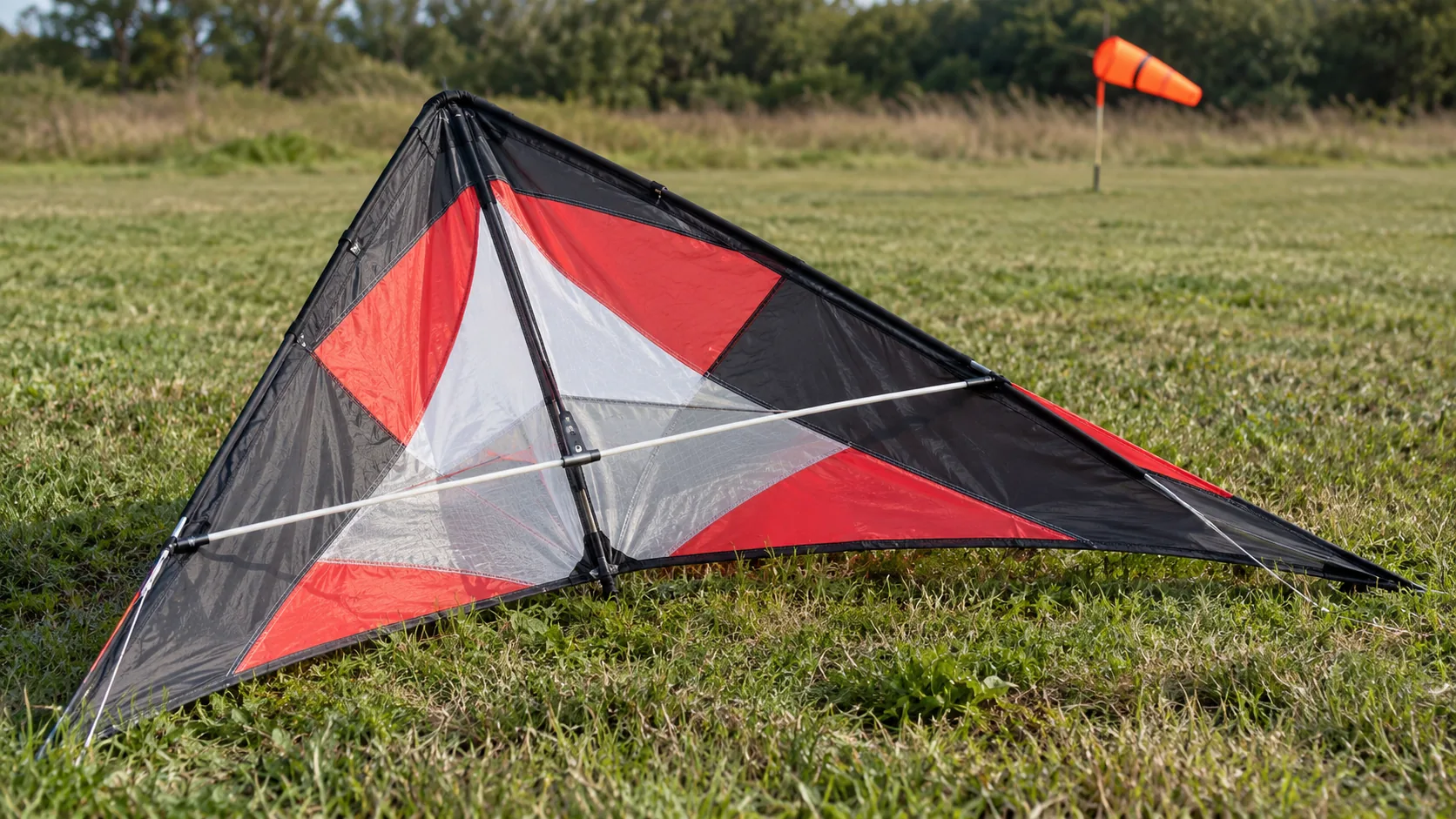
A carbon frame can launch in less wind than fiberglass because it weighs less. The stop is still the kite's published top, including the gust.
 Kite Types
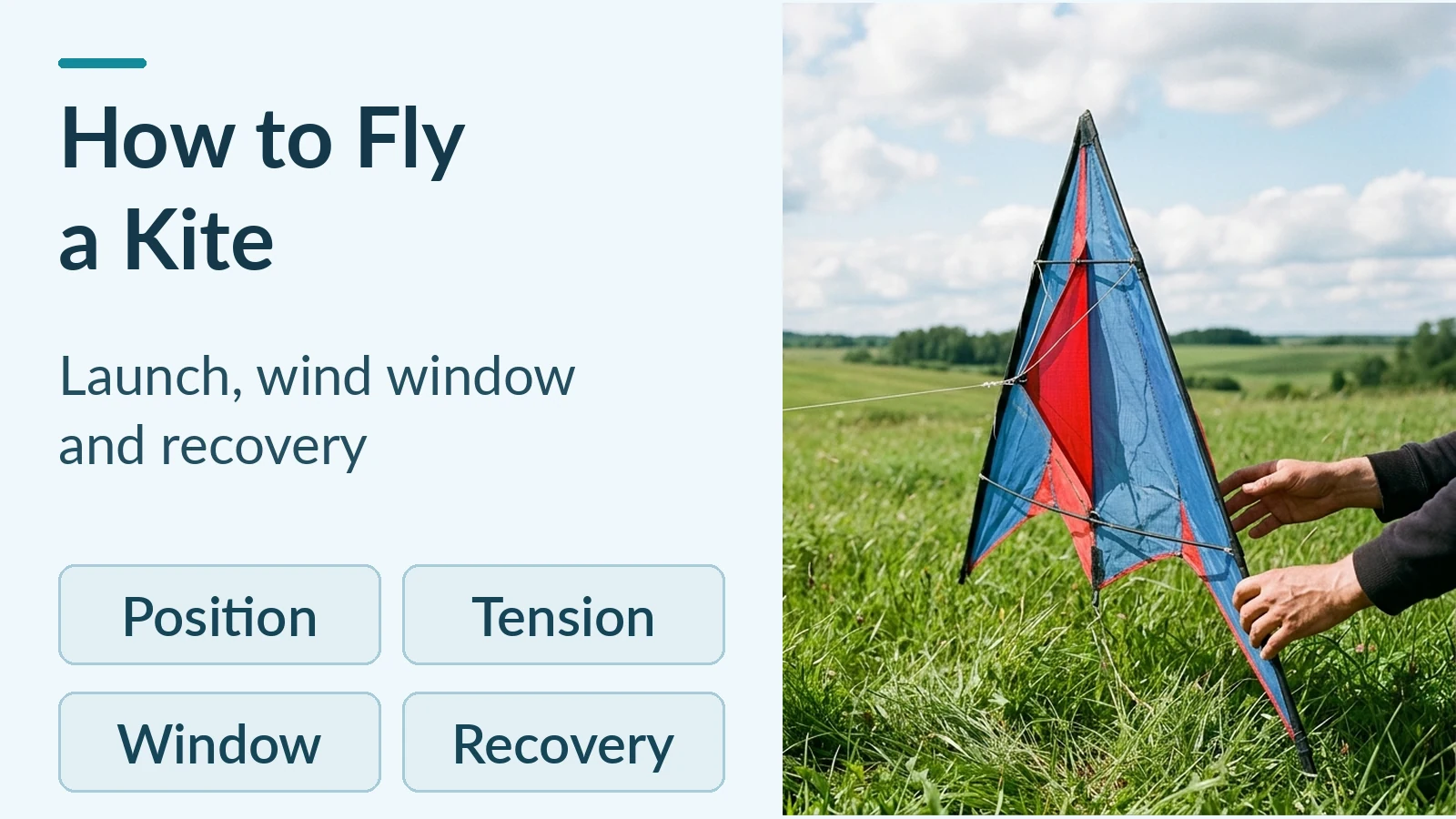
Learn how to fly a kite with a clear launch position, controlled line release and stall recovery, plus the wind-window differences for single-line and dual-line kites.
 Materials and Care
Read ripstop nylon fabric specifications for kite sails: denier versus finished weight, PU versus silicone coatings, mass budgets and air-permeability test limits.
 Materials and Care
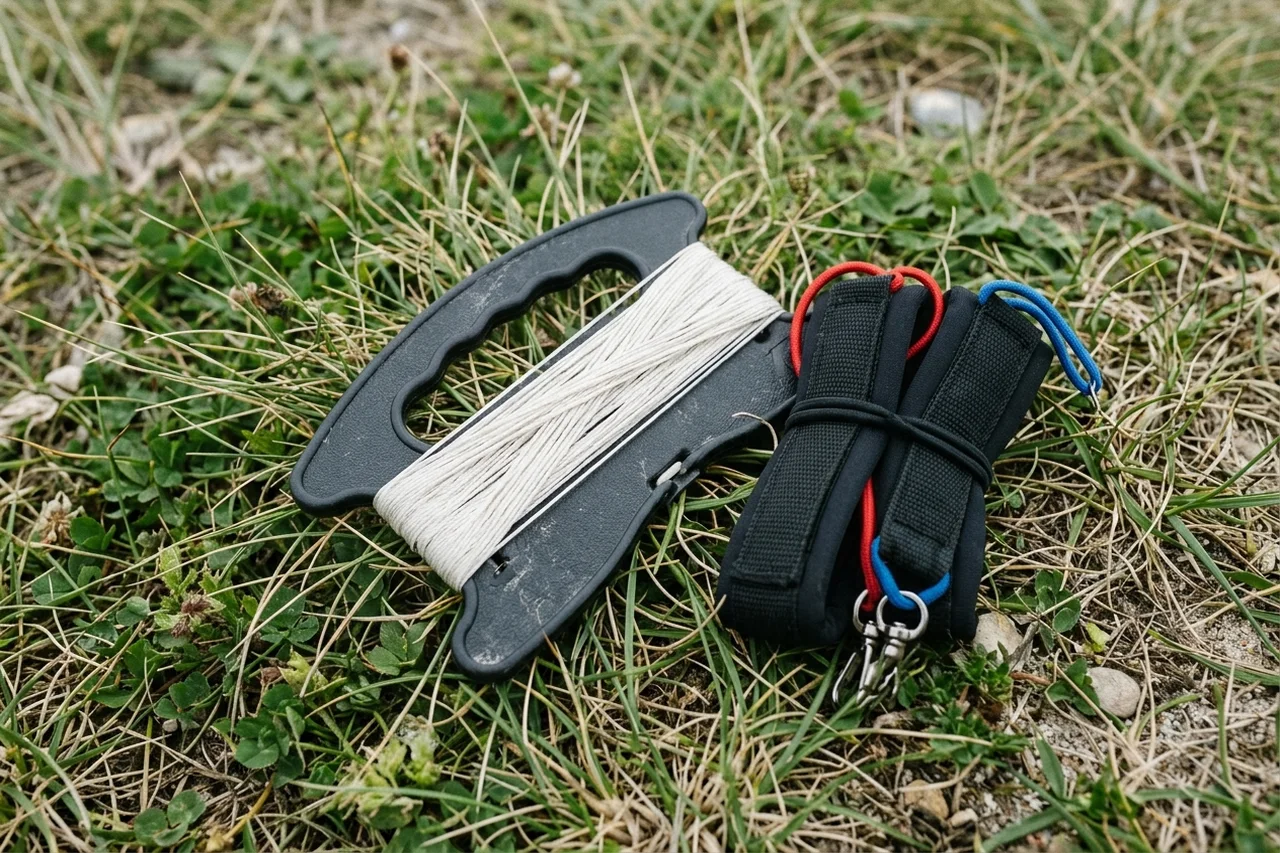
Keep a two-line kite tangle-free by separating flight twists from ground knots, unwinding upwind, and wrapping both lines in a figure-eight.
 Kite Types
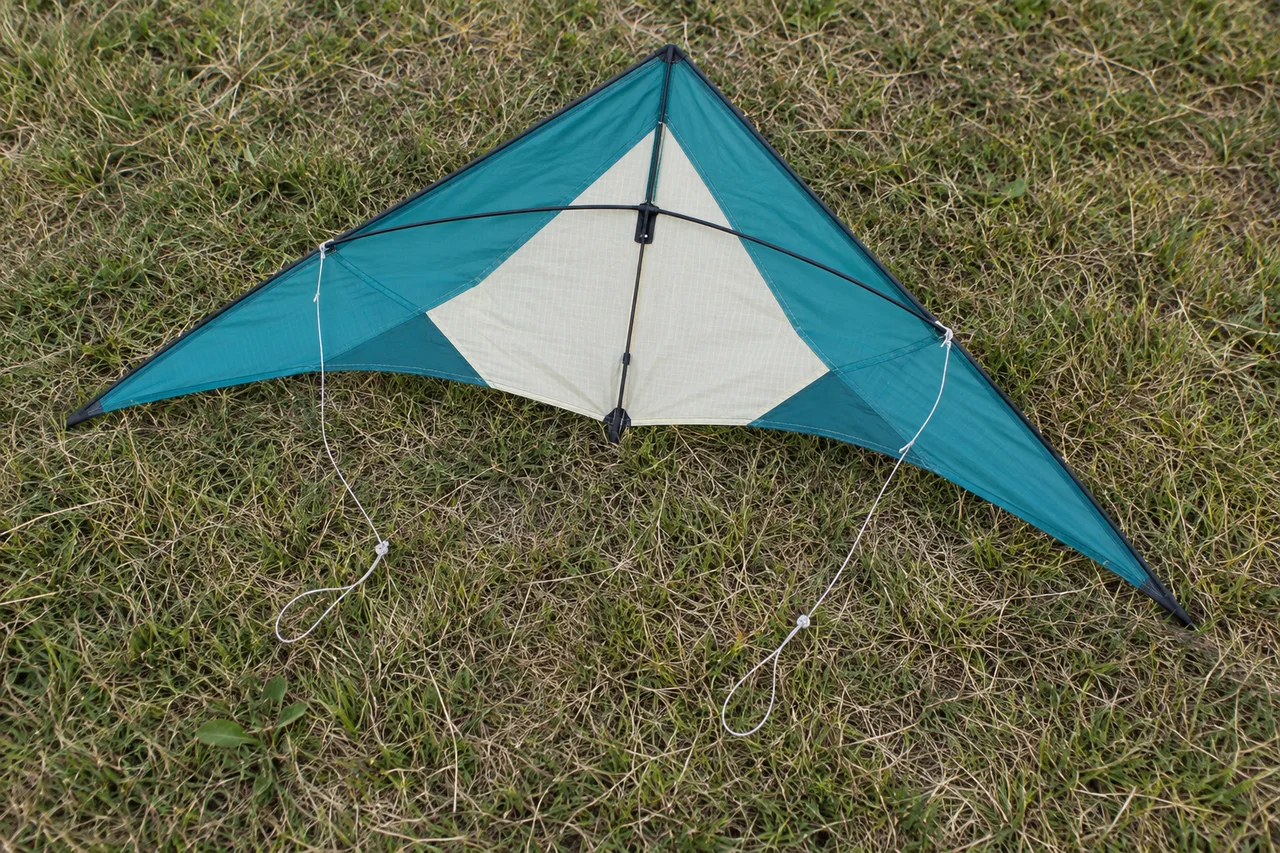
Identify your kite's bridle, check assembly and flying lines, then use model-specific tuning instructions with a baseline record and a reversible adjustment log.
 Materials and Care
Compare braided polyester and Dyneema kite line by single-line or dual-line use, then record the maker's length, strength and fittings before replacing a set.
 Kite Types
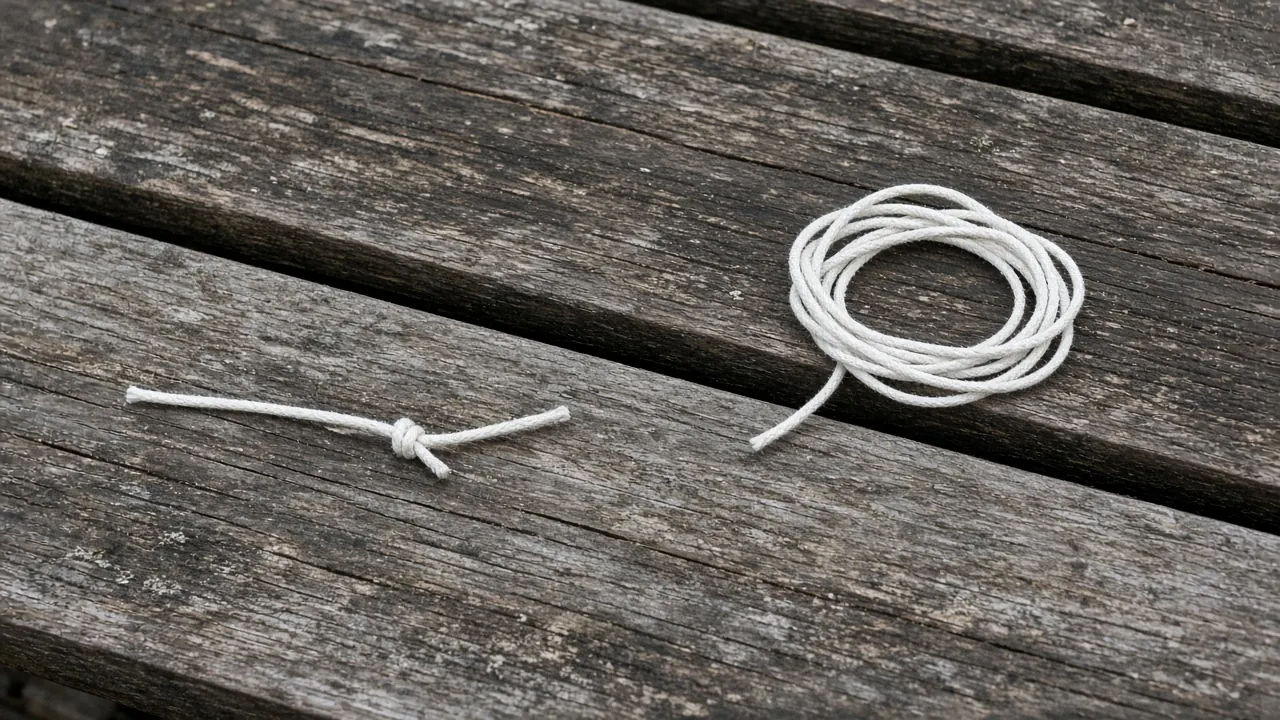
Find the bridle fitting before you tie the flying line. A Lark's Head is for a knotted pigtail with no clip. A clip or a ring stays blank.
 Materials and Care
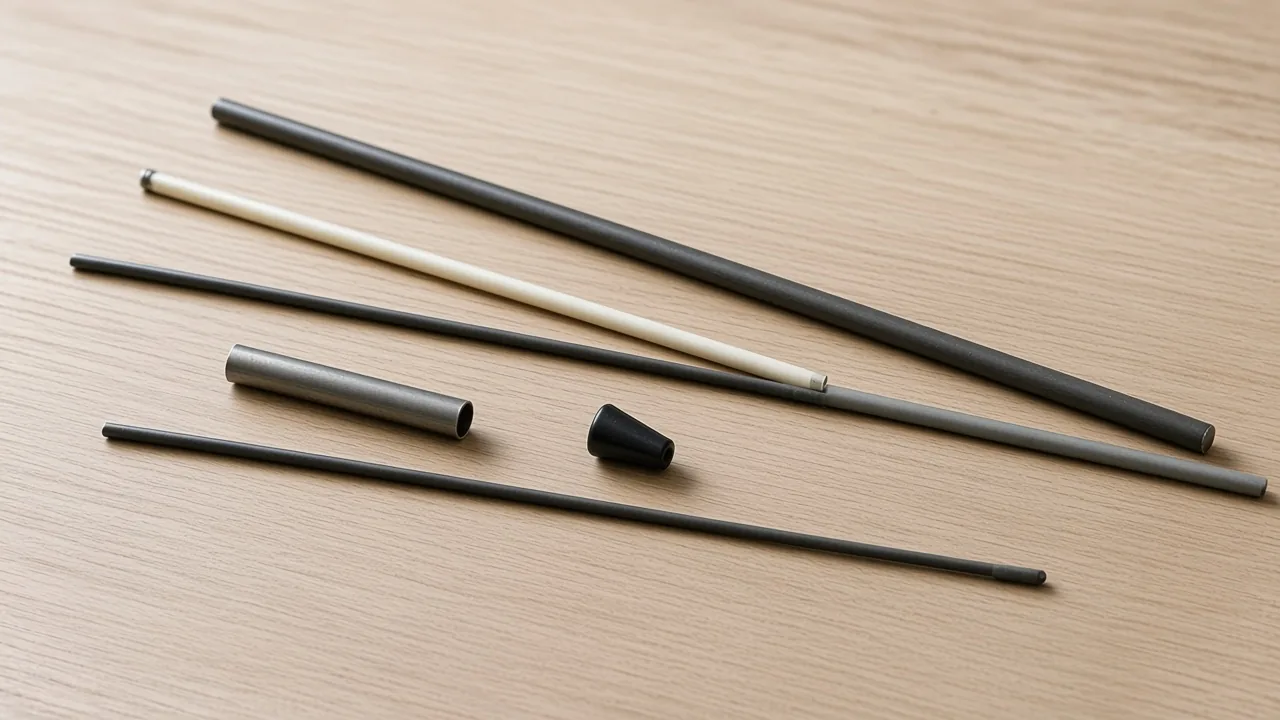
Name the rod, the side, and the connector before you order a replacement kite spar. Measure any size the listing omits.
 Materials and Care
A small hole in open sail cloth can be taped when you know the material. Seams, spar pockets, and unknown cloth go back to the maker.
 Materials and Care
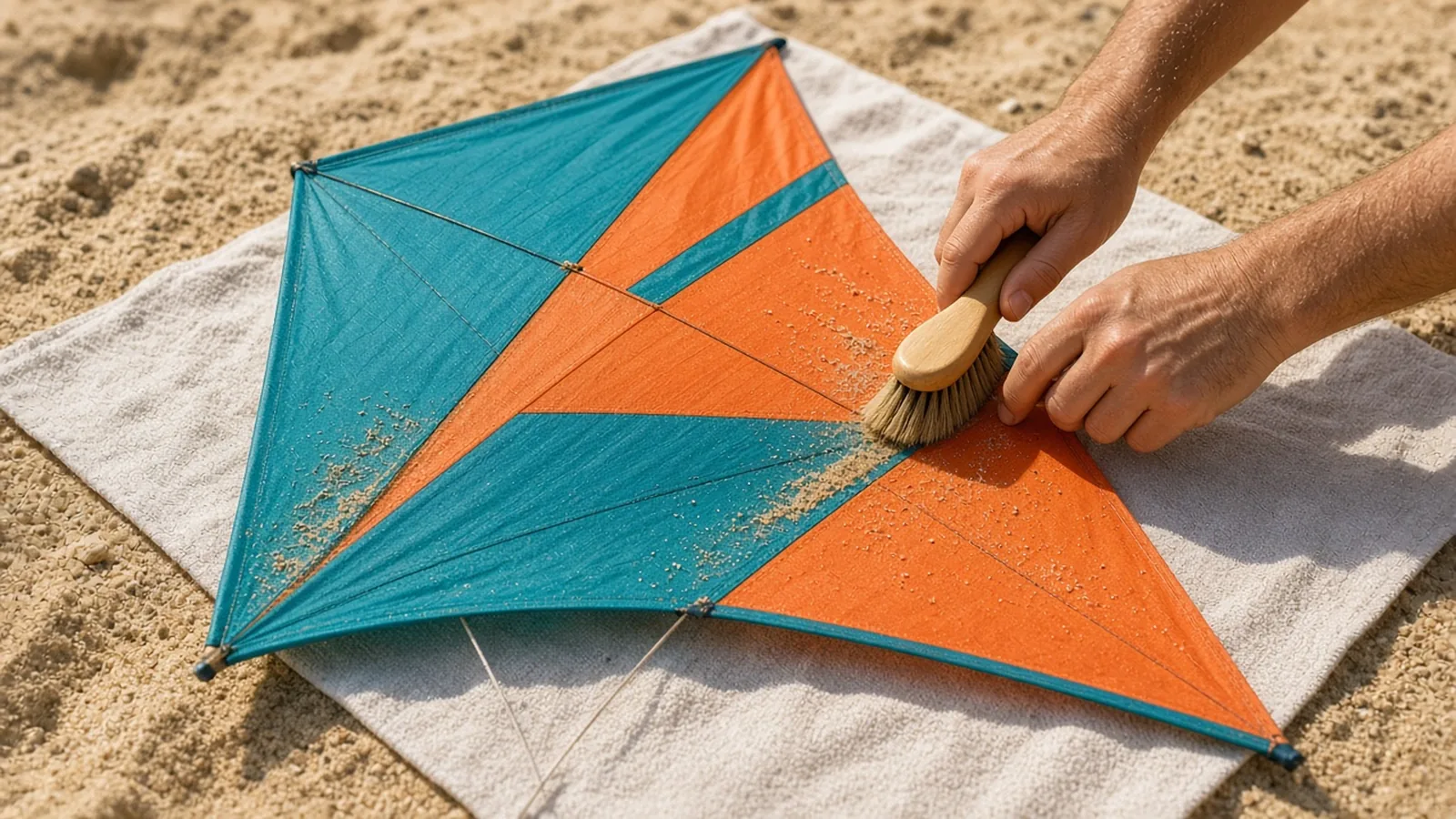
Brush dry sand off the sail and lines, rinse salt with fresh water, then wipe stuck dirt with warm water and a little dish soap. Dry in the shade before you fold.
 Kite Types
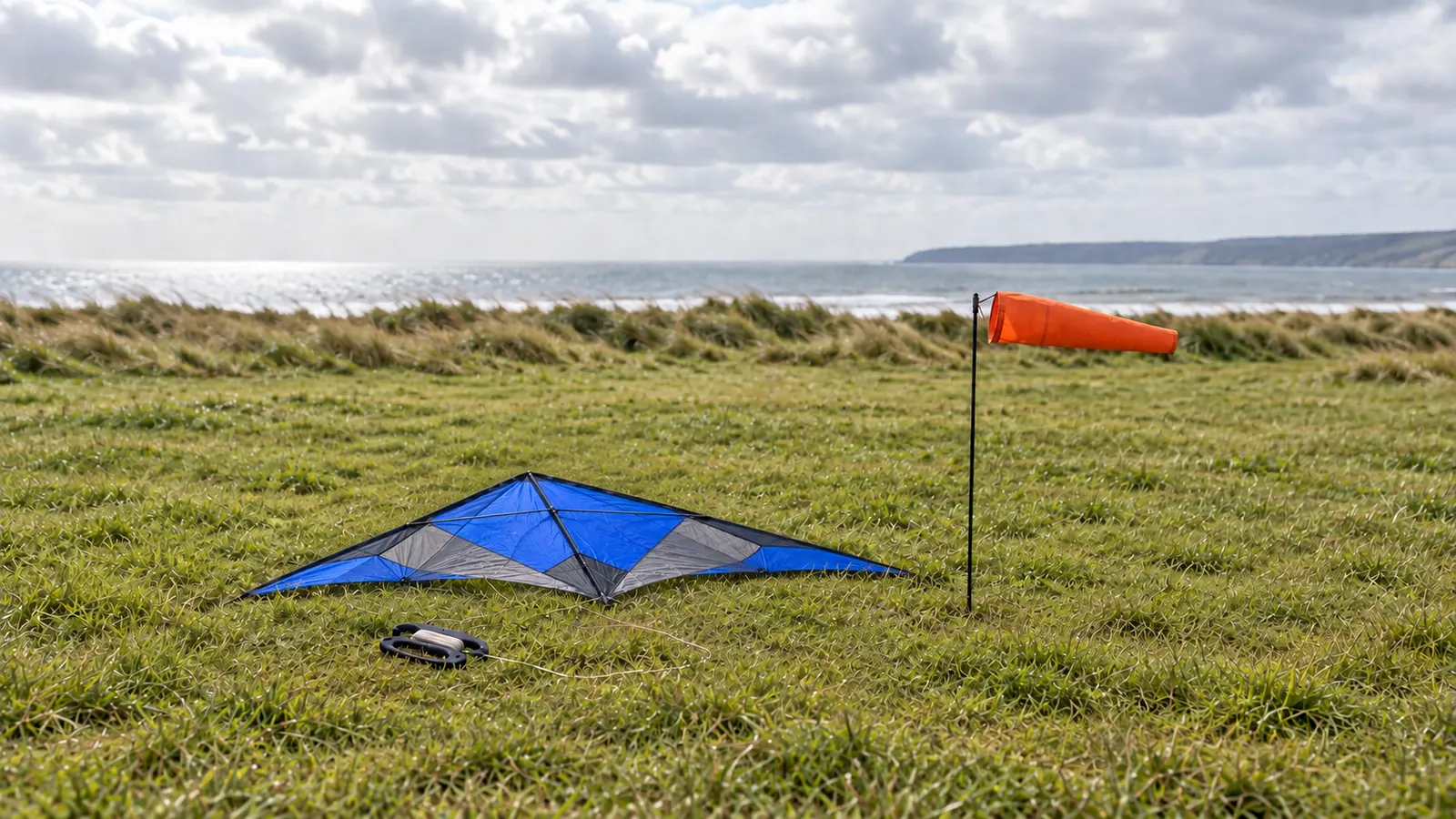
Most published kite wind ratings overlap at Beaufort 3–4, about 8–18 mph. See ranges by kite type, on-site wind signs, unit conversions and when to stop.
 Materials and Care
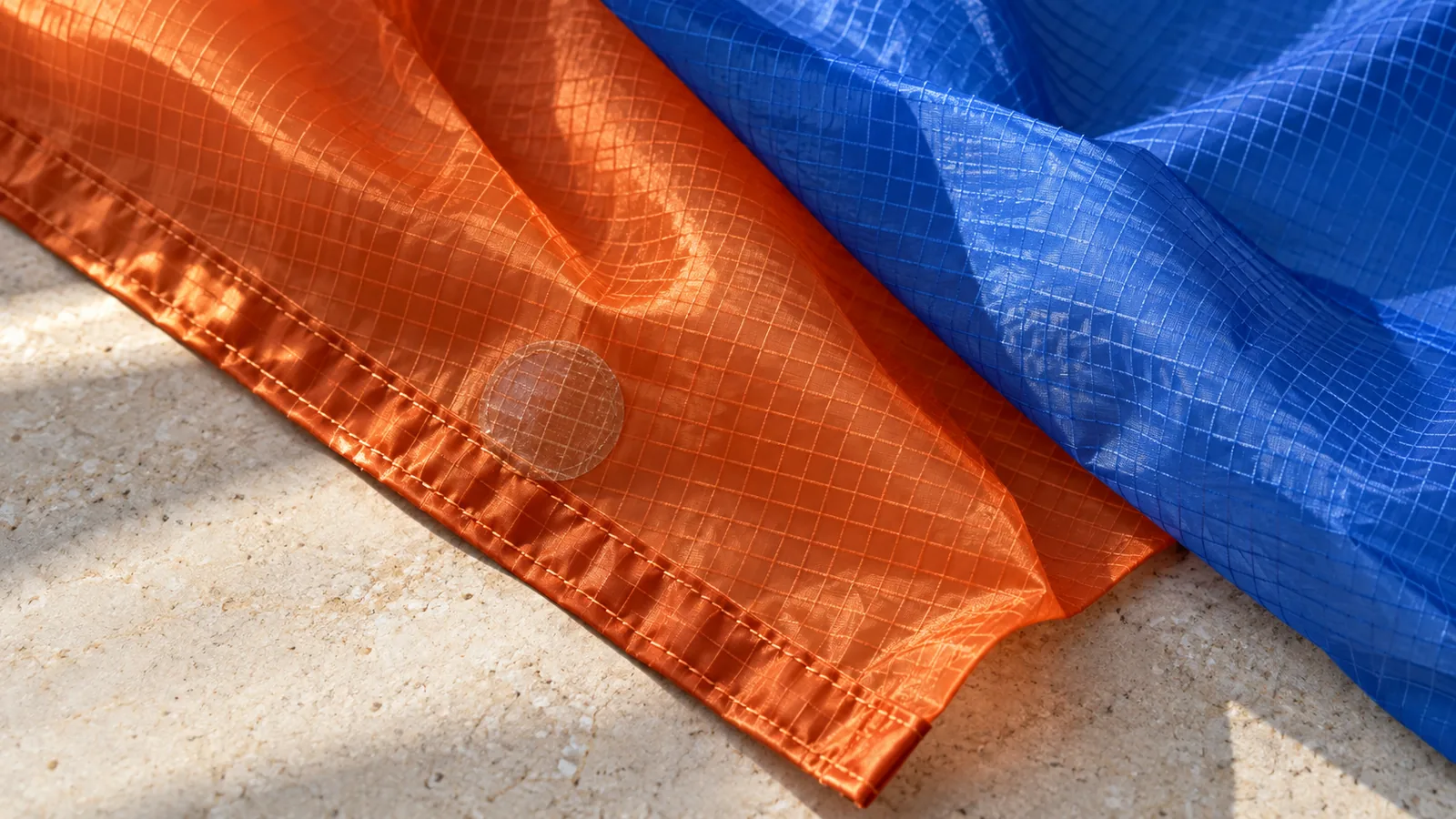
Why kites use ripstop nylon, how it compares with ripstop polyester on stretch, tear and sun, how to decode oz labels and coatings, and which fabric fits which kite.
 Kite Types
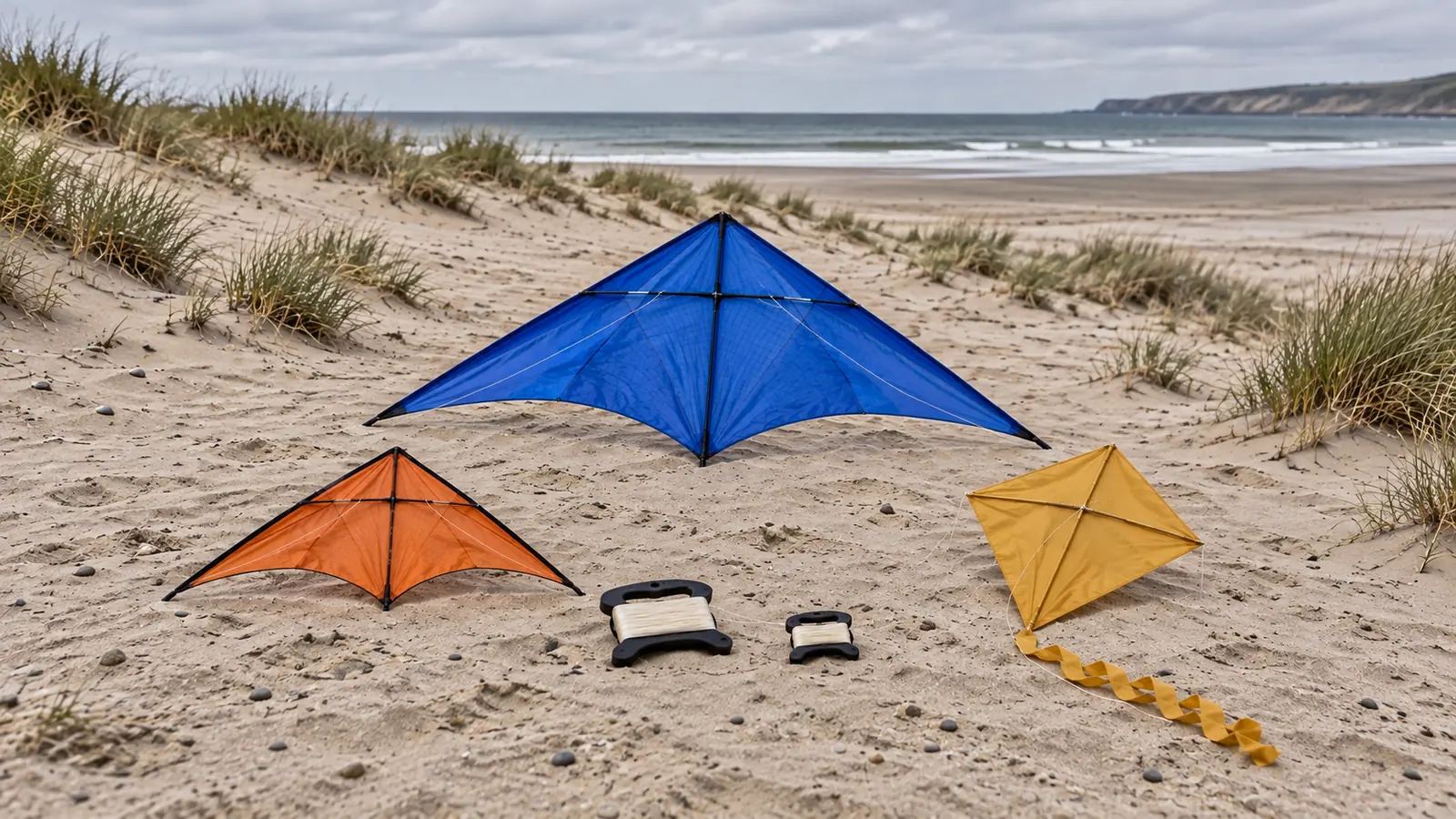
Single line kite types compared, from deltas and diamonds to parafoils, sleds and box kites, with a 4-step check that matches wind, flier, size and materials.
 Kite Types
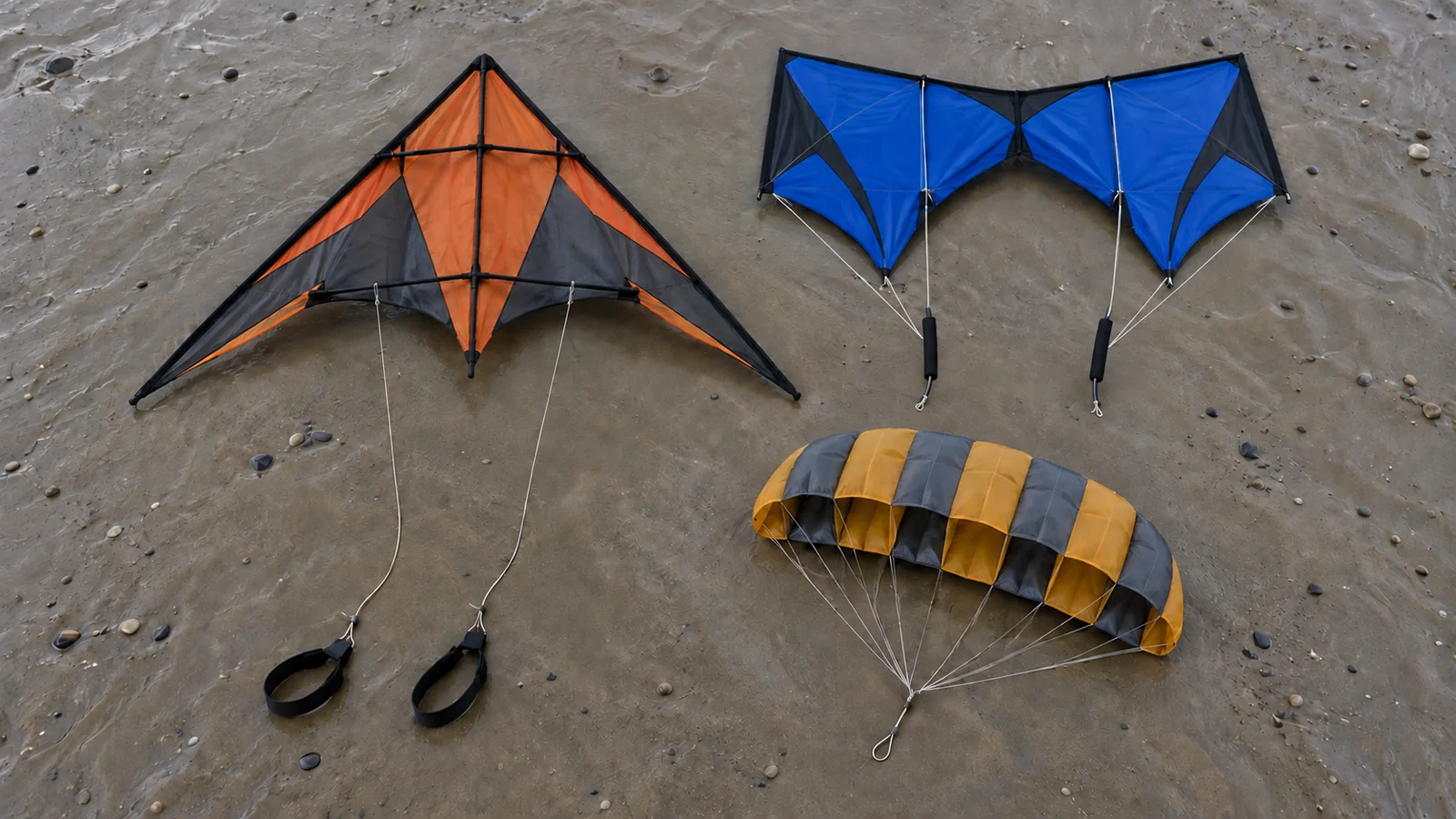
What a stunt kite is, how two-line and four-line control differ from single line and power kites, which parts and materials matter, and which type to start with.